
Wood and metal at a glance
| Choosing your bed | Build with wood | Assemble a metal kit |
|---|---|---|
| Putting it together | Cut or order boards; fasten a frame. | Join supplied panels; fit edging and supports. |
| The look | Natural grain and straight board edges. | Corrugated sides; a choice of shapes and finishes. |
| Starting cost | Basic lumber can be economical; cedar costs more. | Compare the kit price, included parts and delivery. |
| Fitting your space | Build to your dimensions. | Use a supplied size or layout. |
| Keeping it for years | Species, treatment and joints affect decay resistance. | Coating and construction affect corrosion resistance. |
Build with wood or assemble a kit?
Build a wooden frame
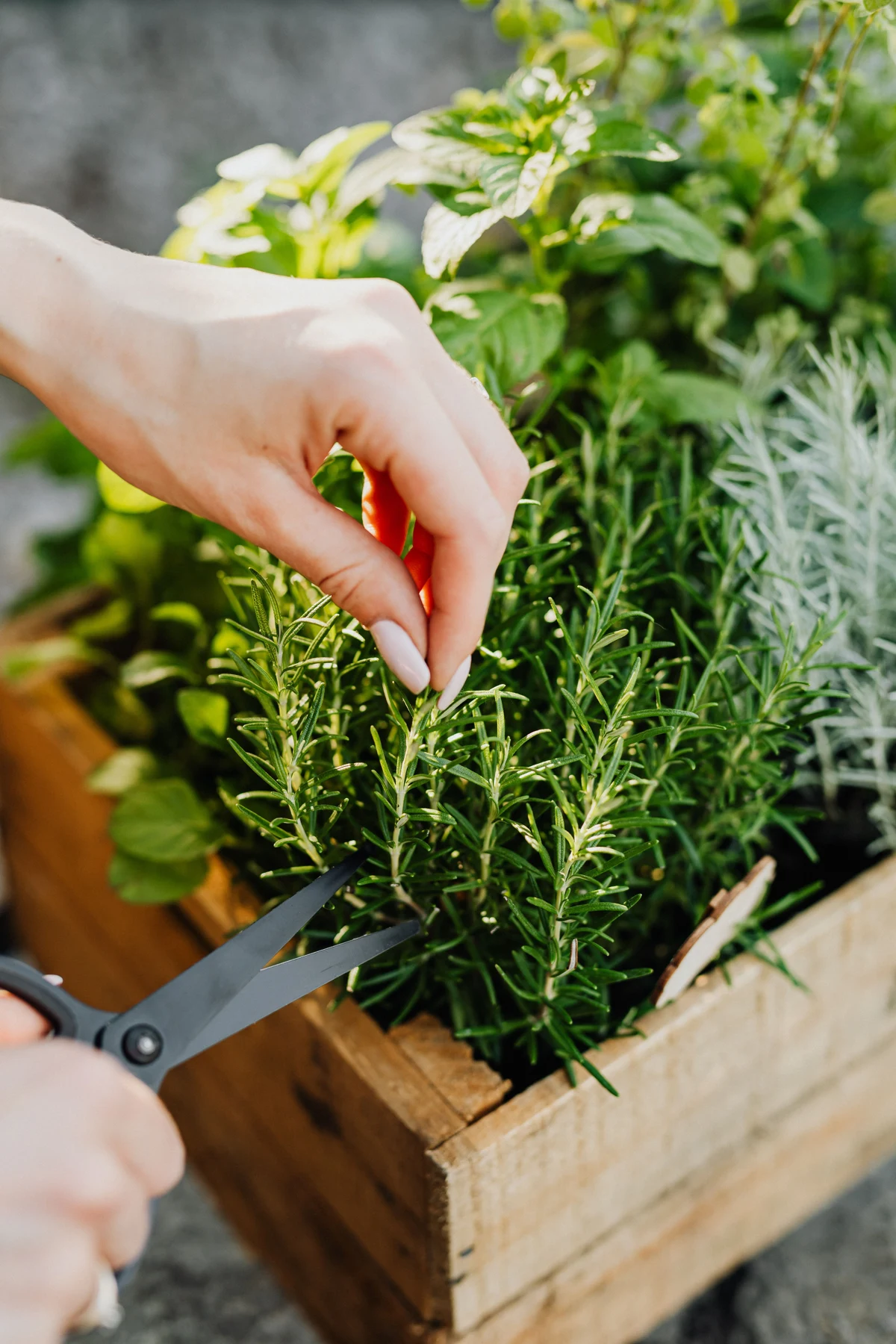
Building with wood gives you freedom over the size of the bed—a useful option for a particular corner of the garden. Start with a construction plan suited to its height and length, so the frame can hold the soil securely.
Measure & cut
Order boards to length, or ask the lumber store about precut boards.
Make the corners square
Join with suitable screws, brackets or posts.
Support the soil’s weight
Reinforce long or tall sides to your construction plan.


You’ll need a tape measure and drill-driver, plus a saw if the boards aren’t precut. A wooden kit is another way to get the timber look with supplied parts.
Assemble a steel kit
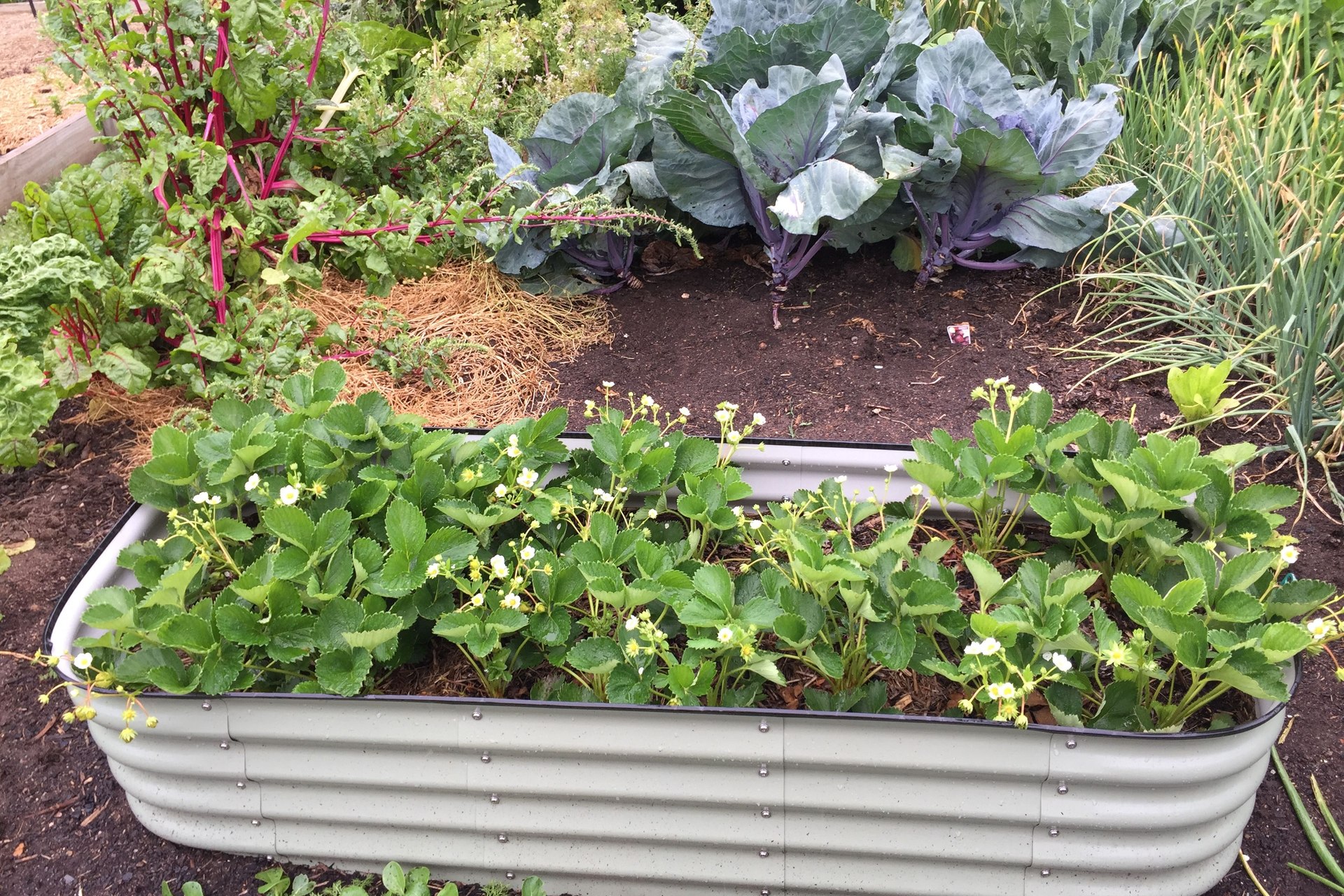
With a steel kit, the panels arrive ready to join. Choose a shape and finish you like, then use the assembly guide to plan the job and gather the tools you’ll need.
Choose the layout
Arrange the supplied panels in a shape the kit allows.
Join the sides
Check the instructions: some fasteners need tools.
Finish before filling
Fit protective edging and every required support.


Allow time to prepare the spot and bring in the soil as well as assemble the frame.
What will the bed really cost?
A simple lumber frame can be an affordable start, especially if you already have the tools. Cedar boards and wooden kits can cost more, so a budget steel kit is worth pricing alongside them.
For a fair comparison, use the same inside dimensions and height and add the three costs below. I’d also weigh up the work: paying a little more for a kit may suit you if you’d rather spend the weekend planting than cutting boards.
Allow for the soil as well as the frame
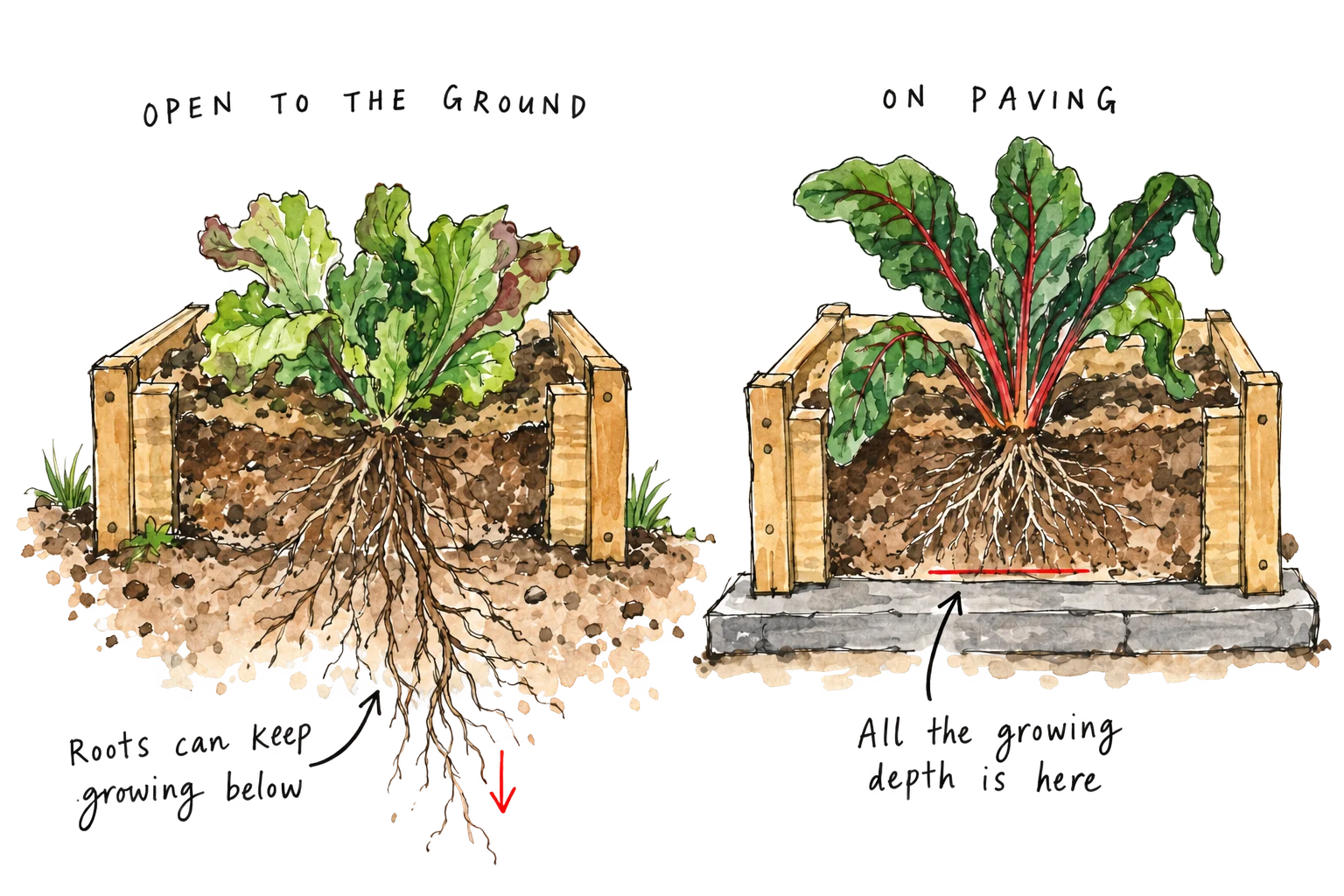
Tempted by a taller bed? Allow for the extra soil, too.
In a 4 × 8 ft bed, another 6 inches adds 16 cubic feet—eight 2-cubic-foot bags. Wood and steel need the same fill at the same inside dimensions.
On paving, the bed provides all the growing depth. Over usable soil, roots can continue below an open base. Choose a suitable bed depth ↗
Which will last longer?
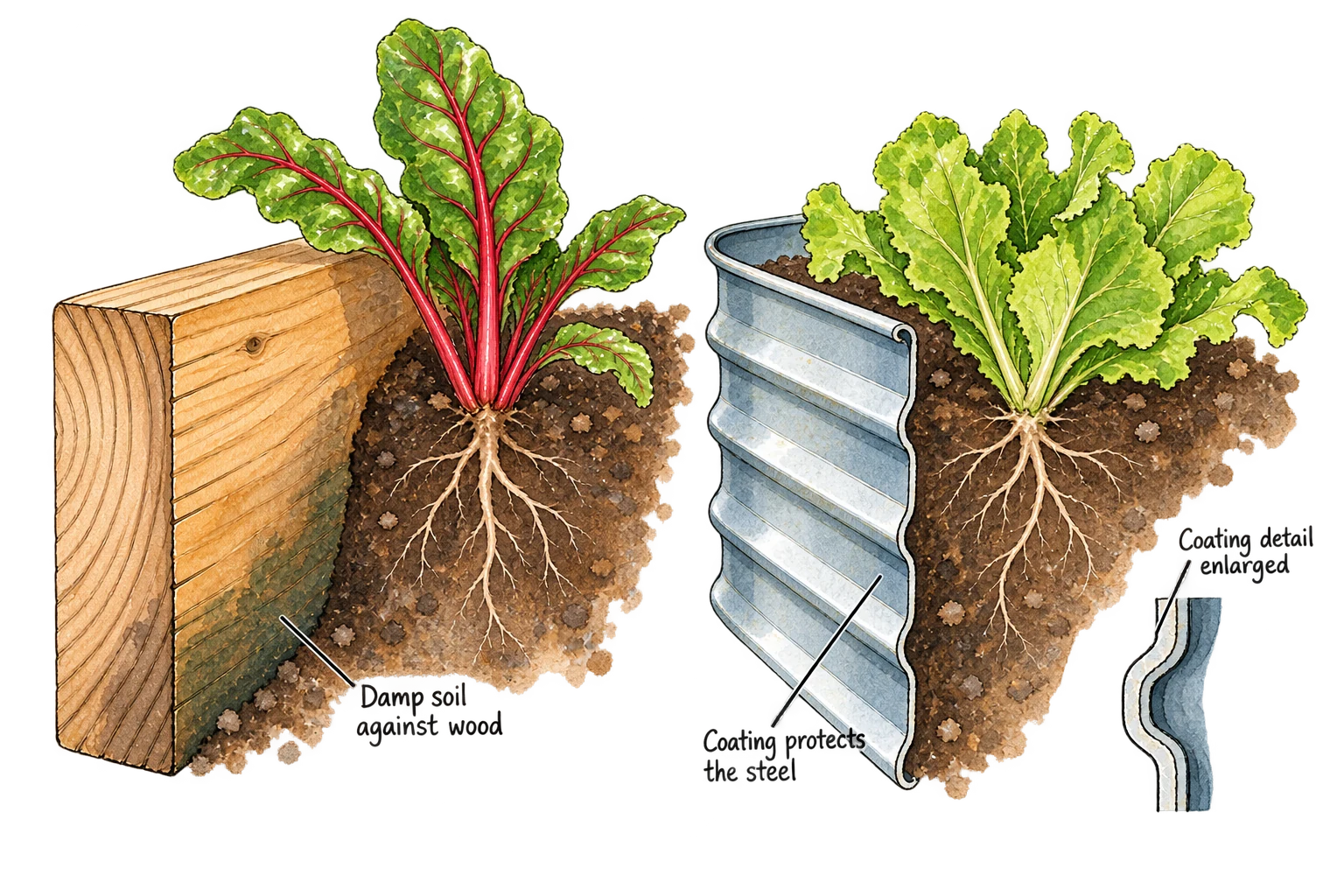
Coated steel can outlast basic lumber. With wood, naturally decay-resistant boards such as cedar can give the frame a longer life. For a bed you’ll enjoy for years, compare the boards and joints or the steel’s protective coating—not just the material name.
Wood
Look closely at the wood
- Boards & joints
- Identify species and treatment; check thickness and strong corners. Cedar can extend the frame’s life.
- Signs of wear
- Soft lower boards, crumbling wood, loose joints or bowing sides need attention.
Coated steel
Look closely at the steel
- Protective finish
- Galvanizing adds zinc protection. Identify additional coatings; read care instructions and warranty.
- Edges & supports
- Look for rolled edges or protective trim. Fit every required support before filling.
Are wood and metal suitable for vegetables?
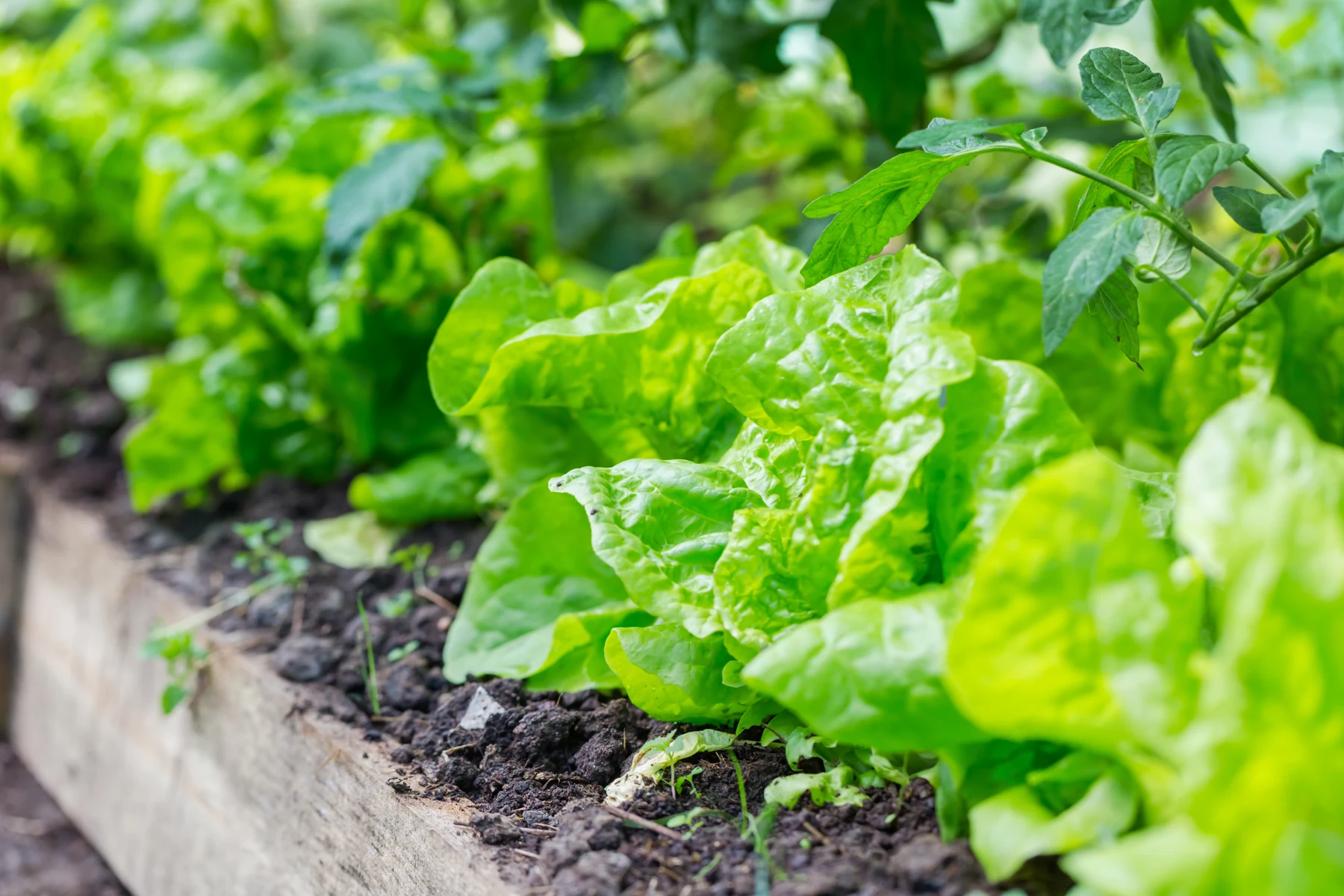
Yes—both can work well for vegetables. There are untreated and suitable treated timber options, as well as steel kits intended for vegetable growing. Here’s what to choose for each.
Choosing wood for vegetables
For a timber bed, I like the simplicity of untreated cedar: it resists decay naturally and needs no preservative. Less durable untreated lumber can be a lower-cost choice for a first garden, with earlier replacement to allow for.
Treated lumber is another option. Choose boards specified for residential ground-contact use, with the preservative named. Modern copper-based treatments differ from older arsenic-containing ones.
Leave these out of the vegetable patch: railroad ties, unidentified reclaimed treated wood, and wood treated with CCA, creosote or pentachlorophenol.
Choosing steel for vegetables
A coated-steel kit intended for growing vegetables gives you plenty of choice in shape and color. Its product details should specify the steel and protective coating; read these along with any product warnings when choosing the kit.
The coating protects the steel. A painted or silver appearance alone doesn’t identify it.
For acid-loving crops: soil below pH 5 can increase zinc release from galvanized steel. Choose a frame suited to that planting mix.
Before you order
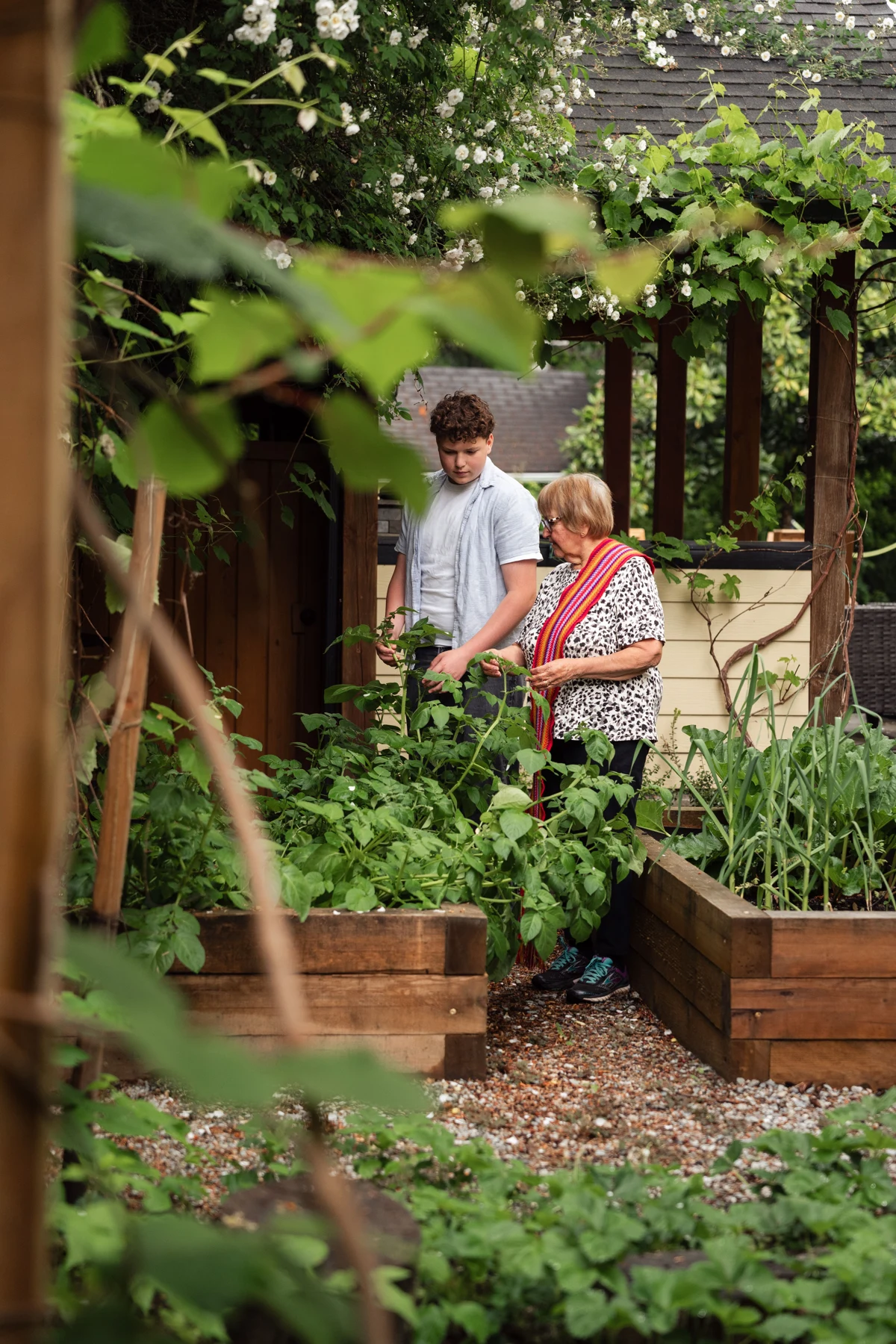
Measure the bed and the paths
- Beside a fence? Keep the bed narrower if you can only tend it from one side.
- Leave a way through. Allow room between beds to bring water and reach the plants.
Before ordering, I’d lay out the bed and paths with string or a hose. Can you reach the middle comfortably? Picture yourself picking, watering and carrying things through the space.
Take those measurements and your soil estimate when pricing the frame. Once you’ve chosen it, our vegetable-garden guide will help you plan the planting.
Your pre-purchase plan
Check off what you’ve worked out. Keep the rest as your next steps.