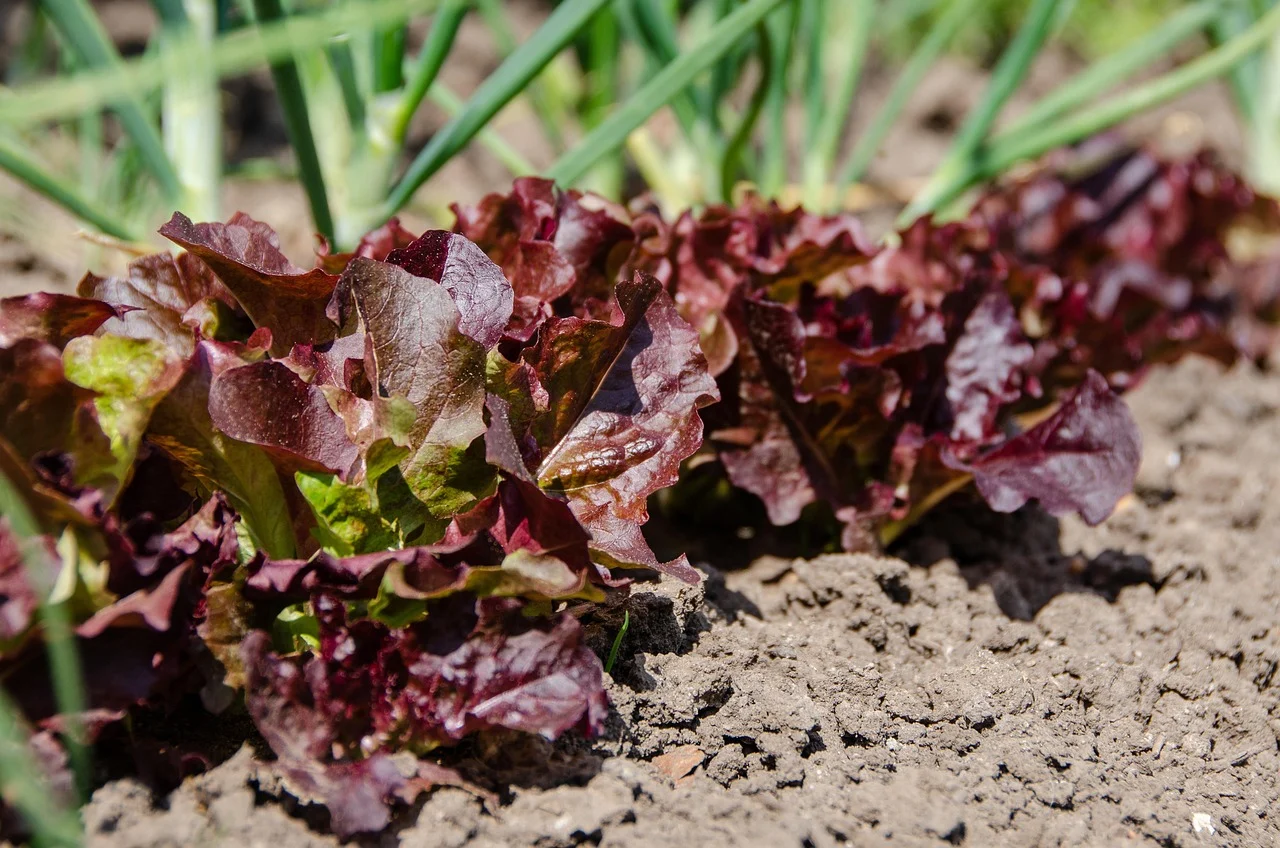
Sunlight needs by vegetable
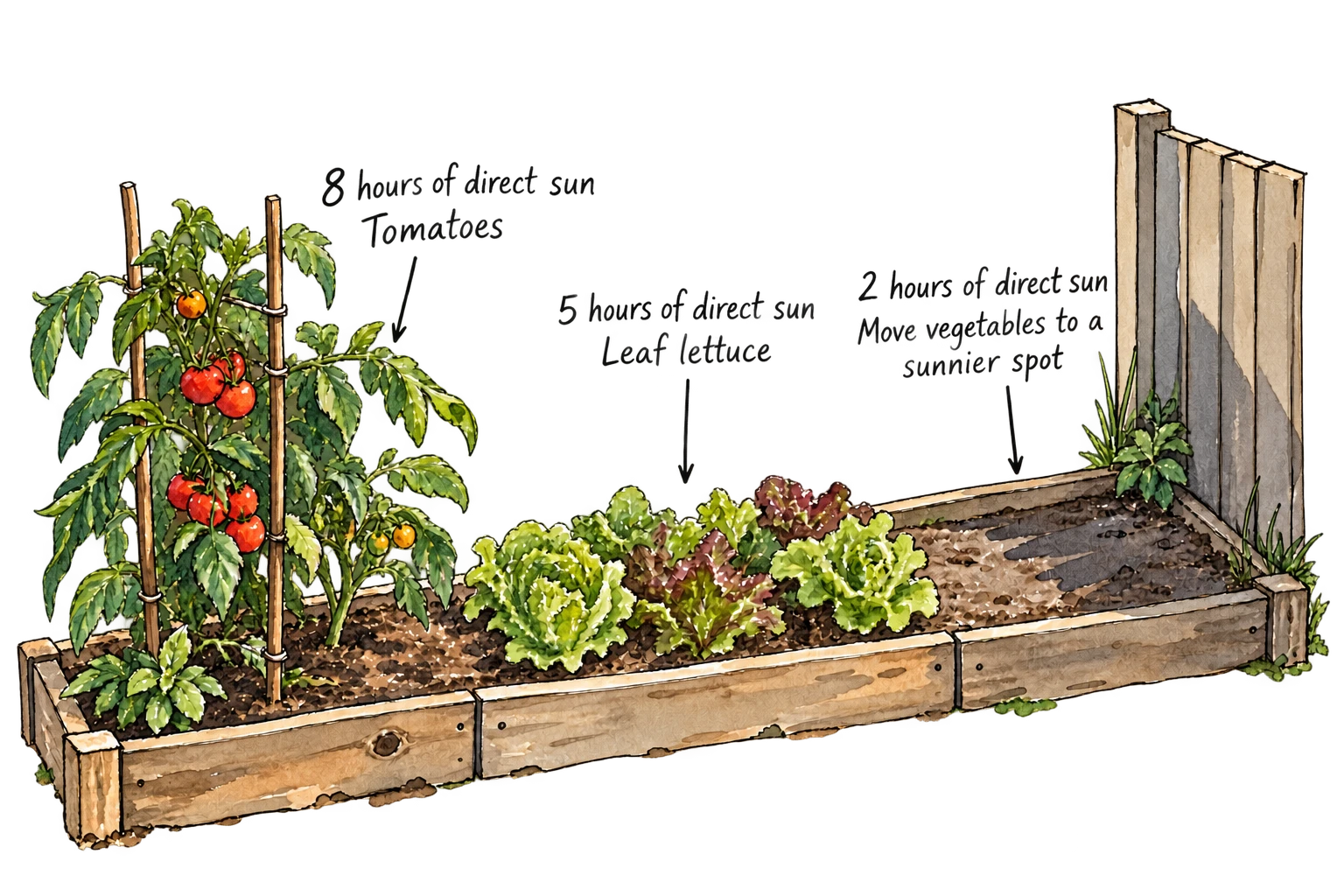
Save the sunniest space for tomatoes, peppers and squash. Lettuce, spinach and other leafy vegetables can grow in places that get fewer hours of sun.
Full sun means at least six hours of direct sun a day. Tomatoes, peppers and squash do best with six to eight hours, especially toward the higher end in cool climates. Many leafy vegetables can manage with four to six hours, though they may grow more slowly. Summer heat and the time of year matter too.
Scroll for more vegetables.
| Vegetable | Preferred light | Shade and season |
|---|---|---|
| Leaf lettuce | Full sun or partial shade | Full sun in cool weather; afternoon shade can help when the weather turns hot. |
| Spinach | Full sun or partial shade | Grow during the cooler months in your area. |
| Kale | Full sun or partial shade | Grows best in cool weather. |
| Swiss chard | Full sun or partial shade | Can grow with four to six hours of direct sun. |
| Arugula | Full sun or partial shade | Can grow in partial shade, though leaves may grow more slowly. |
| Salad radishes | Full sun or partial shade | May take longer to reach harvest size in partial shade. |
| Beets | Full sun or partial shade | Choose a sunnier spot if you want larger roots. |
| Broccoli | Full sun or partial shade | More sun helps the plant develop its central head. |
| Sugar snap peas | Full sun | Can grow with 4–6 hours, but may produce fewer pods. |
| Bush snap beans | Full sun | Can grow with 4–6 hours, but may produce fewer pods. |
| Carrots | Full sun | Can also grow with about 5–6 hours of sun. |
| Bok choy | Full sun | Choose a spot with at least six hours of direct sun. |
| Cabbage | Full sun | Keep nearby plants from shading the leaves. |
| Green onions | Full sun | Can also grow with about 5–6 hours of sun. |
| Compact cherry tomato | Full sun | Give tomatoes plenty of sun in cool summers. Extreme heat can stop new fruit forming. |
| Sweet peppers | Full sun | Afternoon shade can help protect peppers from sunburn in hot weather. |
| Eggplant | Full sun | Plant away from the shade of taller vegetables, fences and buildings. |
| Cucumbers | Full sun | Check that the leaves will get sun as the vine climbs its support. |
| Zucchini | Full sun | Leave enough sunny space for the plant to spread. |
| Okra | Full sun | Needs a sunny spot to flower and produce pods. |
Vegetables that tolerate partial shade can also grow in full sun. With less light, expect slower growth or a smaller harvest. If your bed gets only two or three sunny hours, try a few pots in a brighter position.
Sunlight and summer heat
Hours of sunshine tell you how long the sun reaches your plants, but not how hot they will get. Light intensity and temperature vary with location and season. A bed that suits lettuce in spring may be too hot for it in midsummer.
Cool weather
In cool weather, give vegetables as much sun as you can. Even lettuce, which tolerates some shade, grows well in full sun when temperatures are mild. Tomatoes especially need a sunny spot where summers are cool.
Hot weather
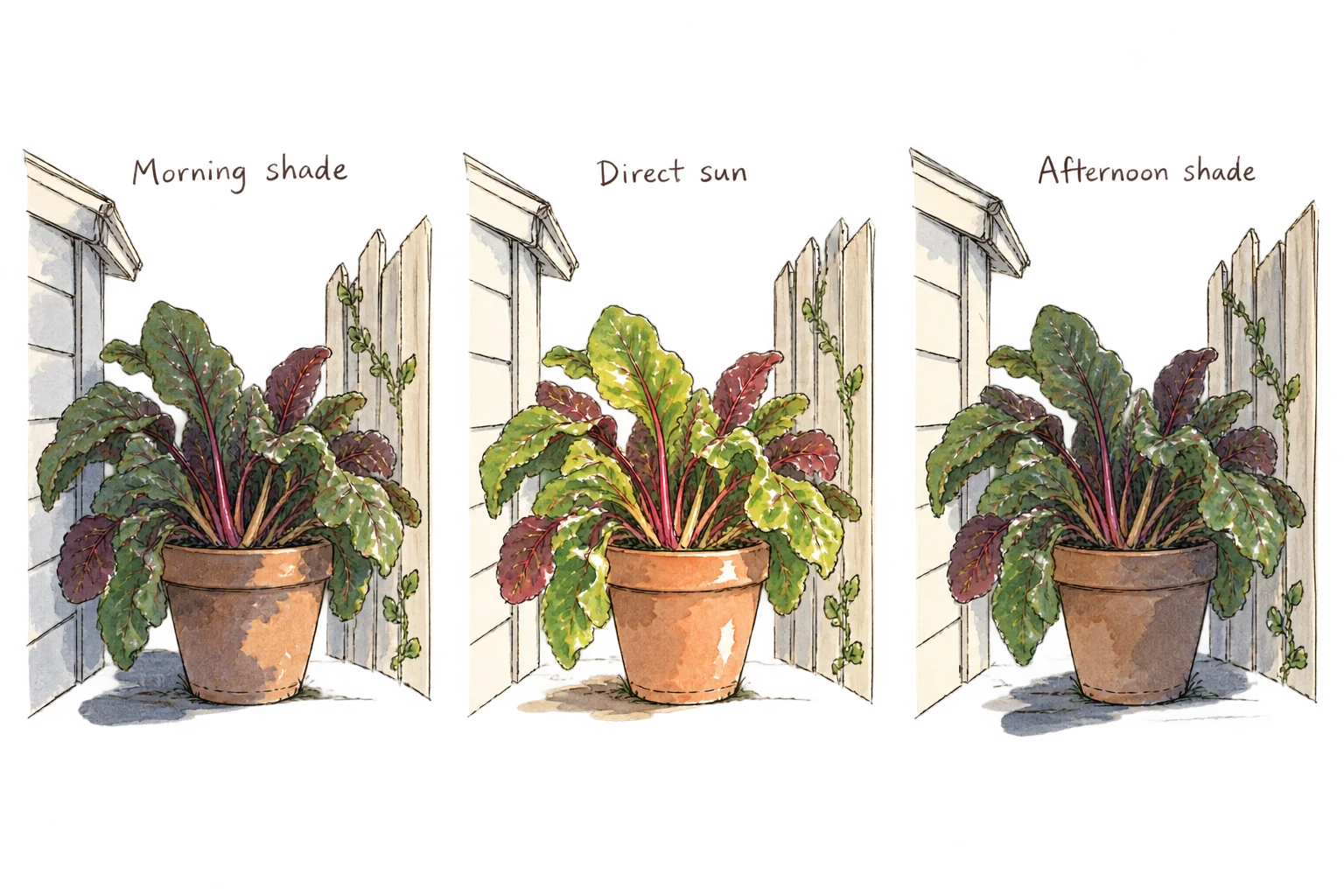
Morning sun and some afternoon shade can help lettuce and other heat-sensitive vegetables through hot weather. Shade cloth can also protect exposed fruit from strong sun. Tomatoes may still stop forming fruit if temperatures stay too high; in very hot climates, they often grow better during the milder months.
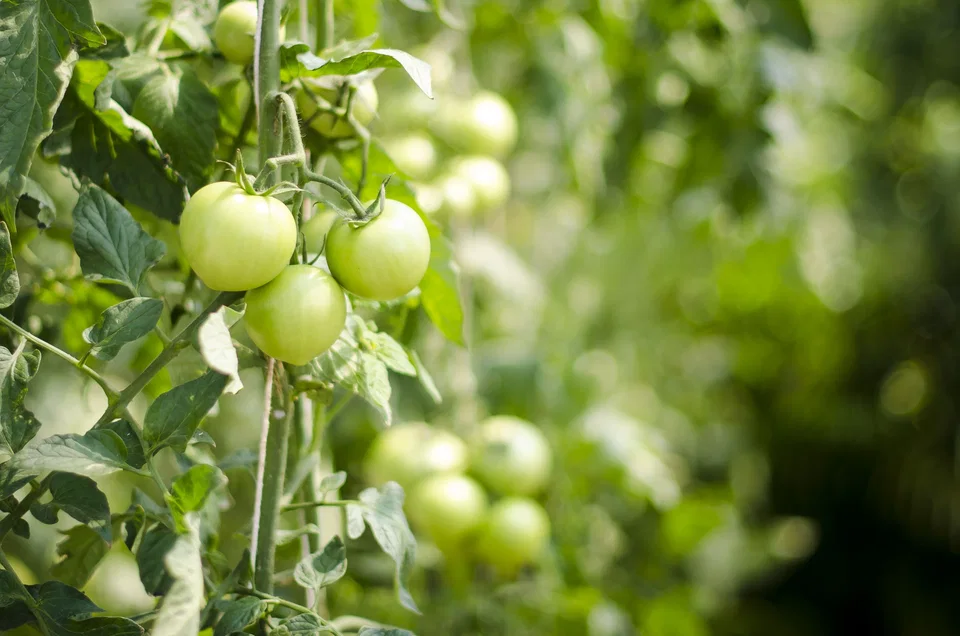
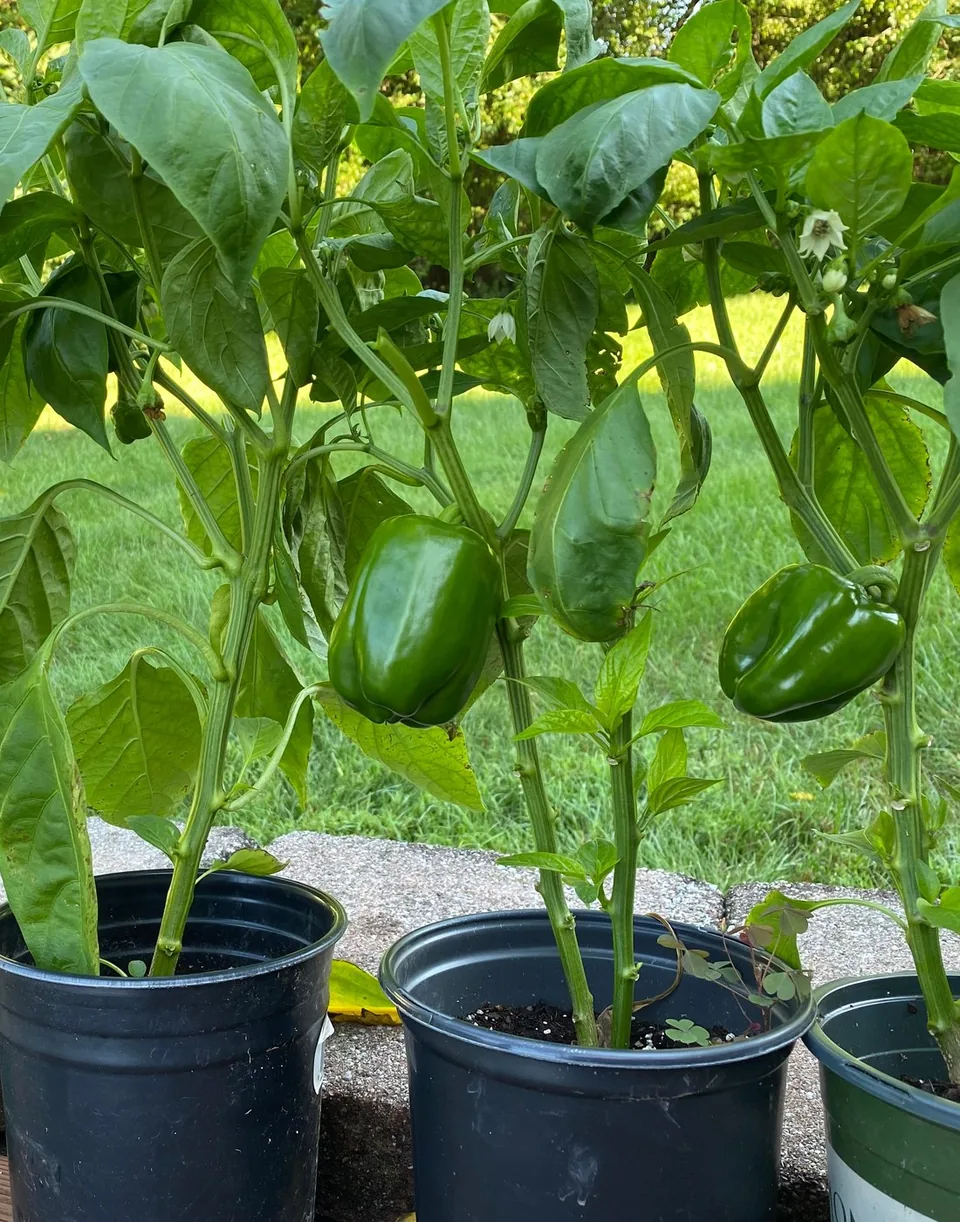
Walls and paving hold heat, so vegetables beside them can get hotter than plants in an open bed. Use the local planting calendar to find out when to grow each vegetable in your area. Afternoon shade helps with heat, but deep shade leaves too little light for good growth.
What counts as direct sun?
Direct sun: sunlight falls on the leaves without a building, fence or tree blocking it. On a clear day, look for sharp shadows.
Dappled light: patches of sunlight filter through tree leaves. Plants get some light, but fewer hours of direct sun than they would in the open.
Bright shade: a spot can look bright even when sunlight does not fall directly on it. Deep shade beneath dense trees or between buildings gets much less light and is a poor place for vegetables.
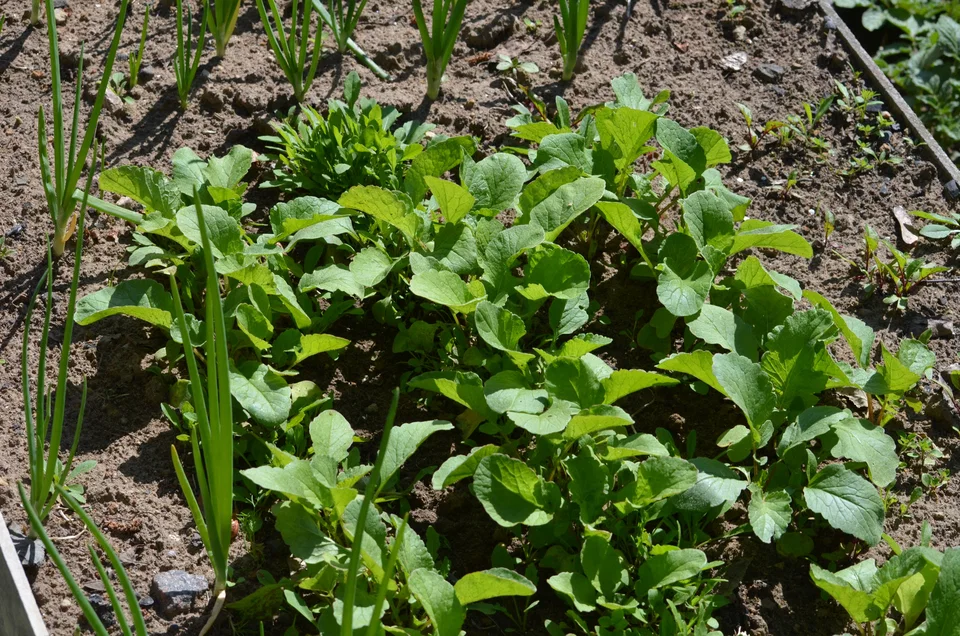
“Part sun” and “part shade” are used inconsistently on plant labels. Counting the hours of direct sun gives you a clearer idea of what you can grow.
How to check sunlight in your garden
Choose a mostly clear day and check the bed in the morning, around midday and in the afternoon. Notice which buildings, fences or trees cast shade, then check more closely when the sunlight reaches and leaves the bed.
Note the times
Write down when direct sun reaches the bed and when it becomes shaded again.
Add up the sunny hours
Sun from 9 a.m. to 3 p.m. adds up to six hours. Subtract any time the bed is shaded in between.
See what will grow
Compare your total with the vegetable guide above. If you are unsure whether a spot gets enough sun, check it again before planting.
Check both ends of a long bed; one may get much more sun than the other. For climbing vegetables, check the light higher up the support too.
How shade changes through the year
Trees grow new leaves. A bed that gets sun beneath bare branches can be shaded once the leaves return. Check how much sun it will get during the months you plan to grow vegetables.
Shadows get longer in fall. As the sun sits lower in the sky, buildings and fences cast longer shadows. A sunny summer bed may get fewer hours of direct sun in fall.
Tall plants shade their neighbors. Small tomato plants may cast little shade when you plant them, but their leaves can shade nearby vegetables as they grow. Leave shorter plants where they will still get enough sun.
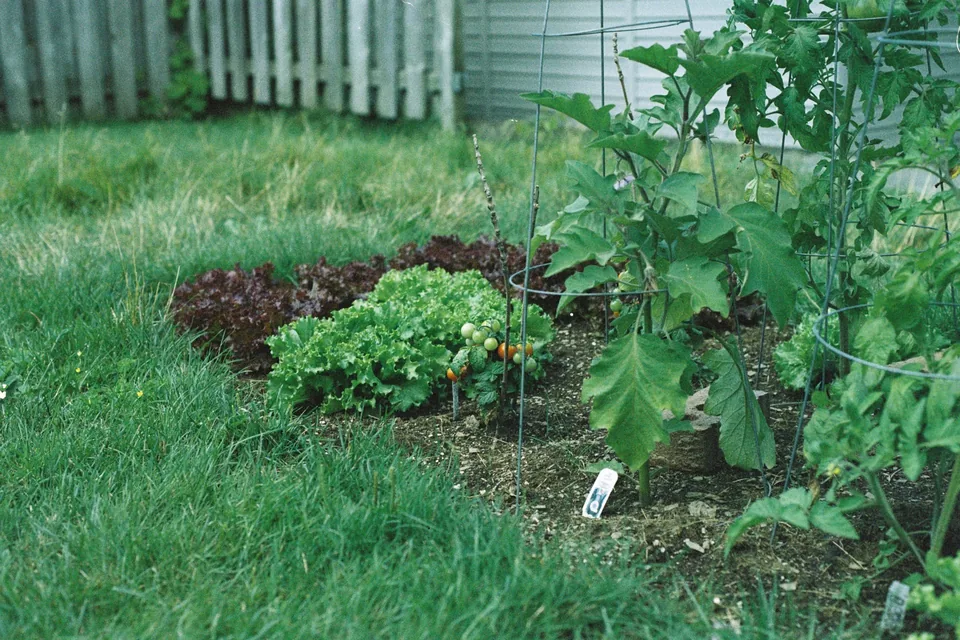
Found a suitable spot? The vegetable garden starter guide takes you through beds, soil and planting.
Sources & further reading+
Authoritative references used in this guide:
- Cornell — Sunlight is the key to great vegetables
- University of Arizona Extension — Growing Tomatoes
- University of Maryland Extension — Landscape Designs with Native Plants
- University of Minnesota Extension — Gardening in the Shade
- Oregon State University Extension — An Educator’s Guide to Vegetable Gardening
- University of Maryland Extension — Planning a Vegetable Garden
- Penn State Extension — Creating a Hellstrip Garden
- Oregon State University Extension — Growing Your Own
- Oregon State University Extension — Pacific Northwest Coastal Region
- Oregon State University Extension — Grow Your Own Peppers
- University of Minnesota Extension — Raised Bed Gardens