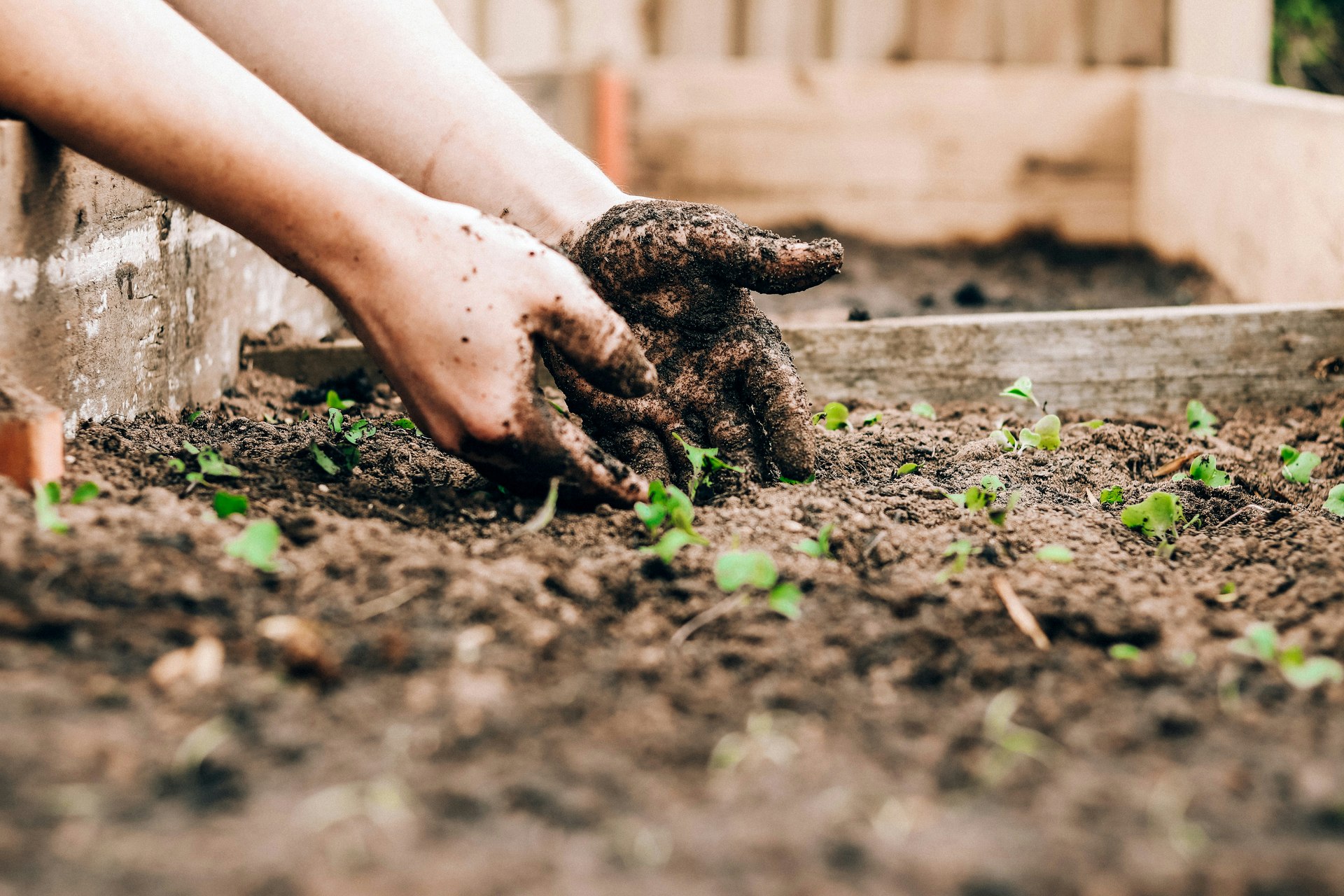
Planting dates for seeds and seedlings
Getting the timing right gives seeds a chance to germinate and young plants a chance to settle in. A warm afternoon is tempting, but the soil beneath it may still be cold and wet. Use the waiting time to prepare labels, check spacing and get indoor-grown seedlings accustomed to outdoor conditions.
A seed has to germinate in the soil where you put it. A seedling already has leaves and roots, but those leaves may be tender after growing indoors. Look for the sowing or transplanting entry that matches what you have.
| What you’re planting | Vegetables | Before planting |
|---|---|---|
| Seeds for a cool-season crop | Peas, spinach, radishes, carrots | Workable soil at the temperature recommended for that vegetable |
| Seedlings for a cool-season crop | Broccoli, cabbage, kale, lettuce | Plants accustomed to outdoor conditions and weather they can tolerate |
| Seeds for a warm-season crop | Beans, cucumbers, squash, sweet corn | Soil warm enough for reliable germination |
| Seedlings for a warm-season crop | Tomatoes, peppers, eggplants, basil | Suitable soil, mild nights and reduced risk of a damaging freeze |
These groups help you find the right calendar entry. The packet or plant label supplies the variety details, including spacing and any special sowing instructions. Our seed-starting guide explains which vegetables benefit from an indoor start and which are easier to sow where they'll grow.
Find planting dates for your area
Search for a vegetable planting calendar from your state or county's Cooperative Extension service—the university-supported service that provides local gardening advice. Choose a calendar for your region within the state, especially where elevation or coastal conditions vary widely.
Find your vegetable, then check whether the dates refer to outdoor sowing, indoor seed starting or transplanting. A tomato seed-starting date can be weeks earlier than its outdoor planting date. Also check whether you're reading a spring or fall calendar.
Historical last-spring and first-fall freeze dates help define the season. Read what the date measures: the location, temperature threshold and whether it's an average, a range or a probability. The weather in your own planting year can arrive earlier or later.
Your USDA hardiness zone answers a different question: how cold winters tend to get for plants that live for several years. Use the hardiness-zone and frost-date guide when the two appear together on a planting chart.
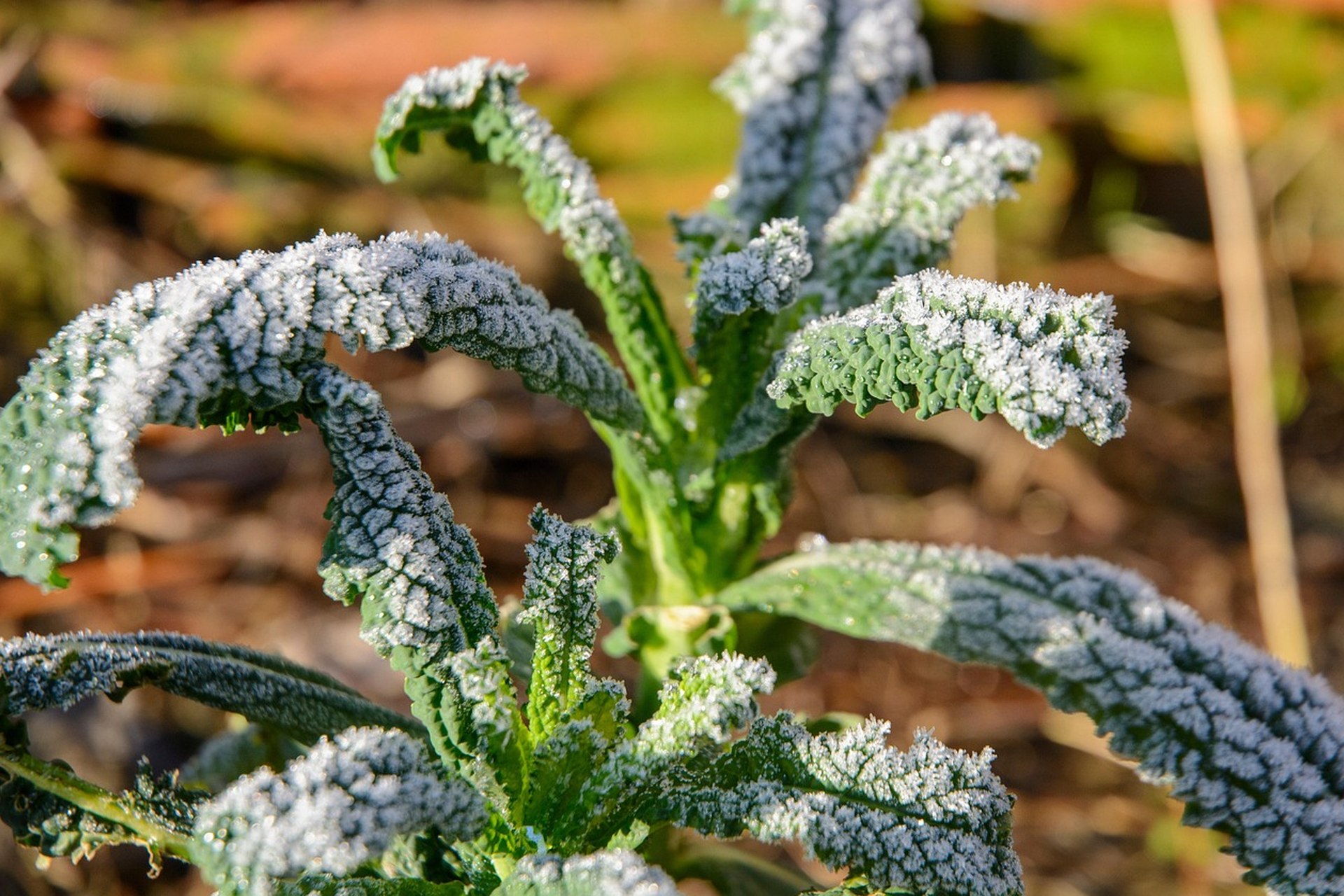
Notice where frost lingers in your yard
Low ground can collect cold air. A sheltered bed beside a wall may behave differently from an exposed bed farther away. Note where frost remains in the morning and which areas dry out slowly. Those observations help you adjust local advice without guessing a precise temperature difference.
Check the soil before planting
Soil needs to be dry enough to work and warm enough for the vegetable. Check both; a bed can pass one test and fail the other.

Is it too wet to work?
Pick up a small handful from the depth you'll prepare. If it smears, sticks heavily to your hand or coats the tool, give it more time to drain. Soil that breaks apart readily is easier to prepare without making sticky clods. Check below the surface, which may look dry while the soil underneath remains wet.
Is it warm enough for the seed?
Use a garden soil thermometer in the bed, about 3–4 inches deep, and compare readings at about the same morning time over several days with the recommendation for your vegetable. This is a soil check; sow the seed at the depth on its packet.
Cool-season vegetables and warm-season vegetables have different requirements. Use the recommendation for that vegetable rather than one temperature for everything in the garden. One sunny afternoon doesn't show whether the soil has warmed consistently.
If the bed is ready for peas but still too cold for beans, plant the peas and leave the bean space ready for later. The whole garden doesn't have to go in on one weekend.
Check the coming nights
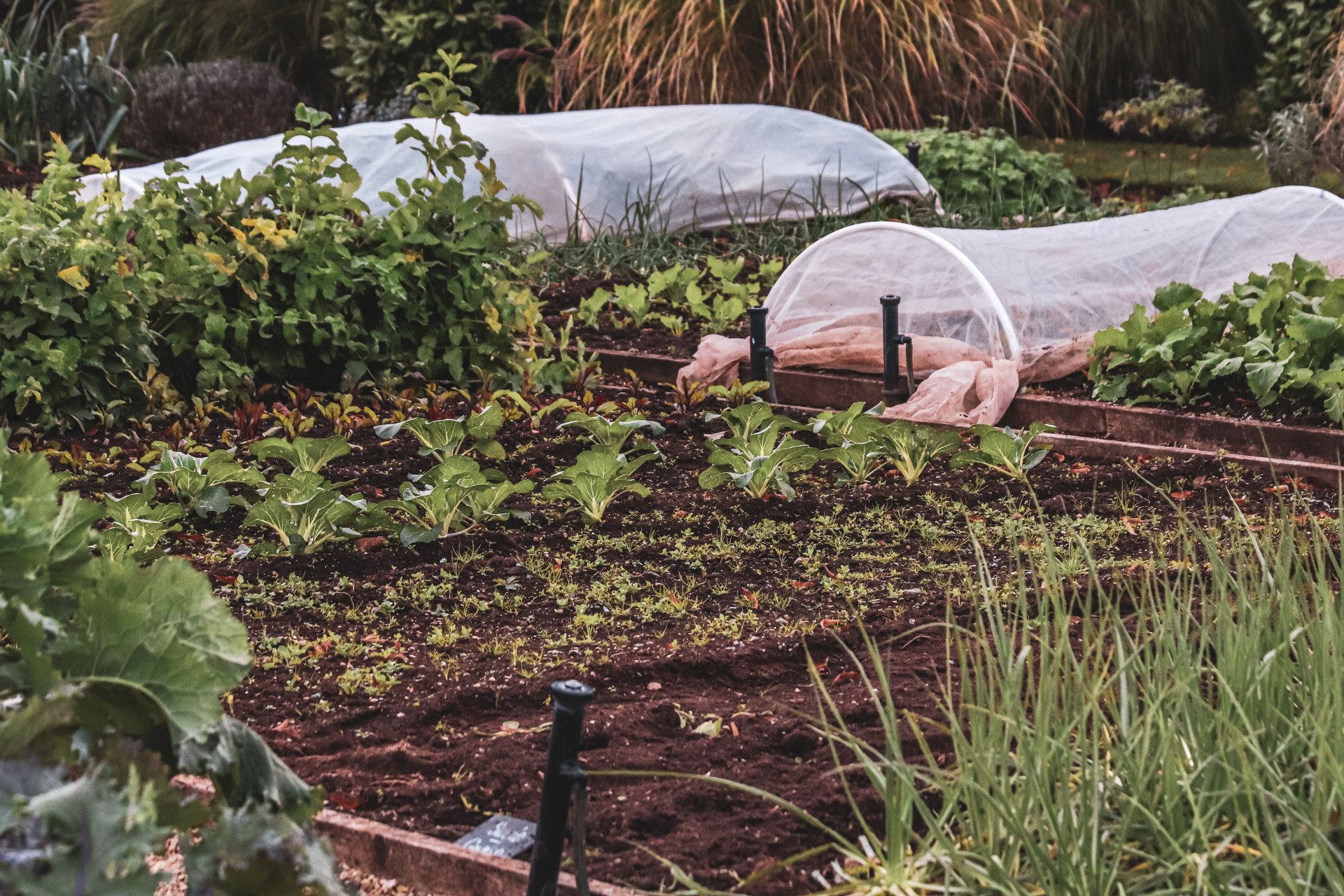
Before you plant
Read the overnight forecast
Check Weather.gov for your city or ZIP code and read the overnight lows and any frost or freeze alerts. Also look for heavy rain, strong wind or sudden heat that would make planting harder on young seedlings.
For tender warm-season plants, wait when a damaging cold spell is forecast. A cool-season vegetable may tolerate conditions that injure a tomato, but its age and preparation still matter. A newly purchased seedling isn't necessarily ready for every condition a mature plant can withstand.
Frost can form on leaves even when the reported air temperature stays above 32°F. Read local advisories rather than relying on that number alone, and refresh the forecast shortly before planting.
Covers can provide some protection during a brief cold spell. Their effectiveness depends on the material, installation and weather, and covered plants still need monitoring. A cover doesn't make cold soil suitable for a warm-season seed.
Prepare seedlings for outdoor planting
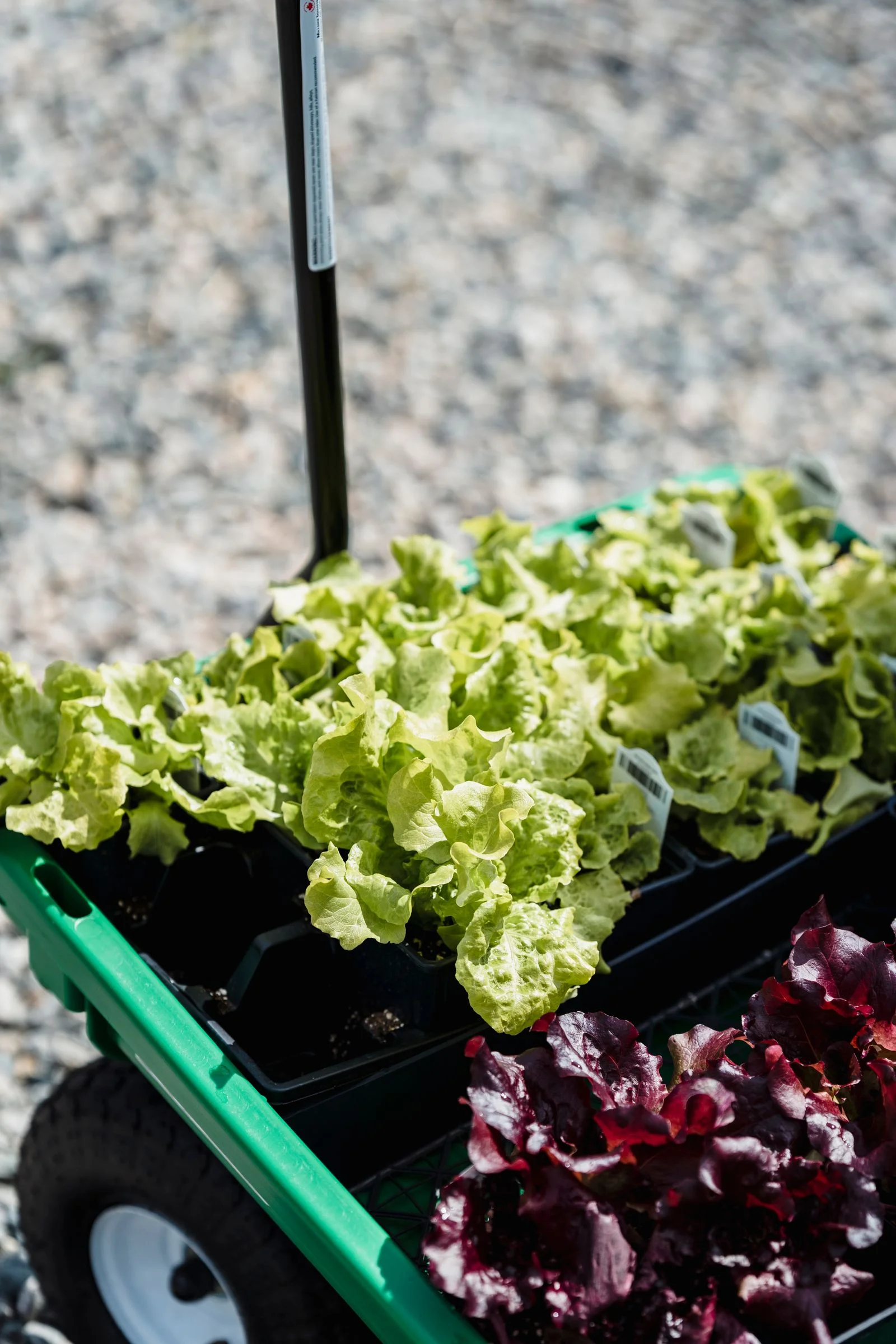
Plants raised indoors need gradual exposure to outdoor light, wind and changing temperatures. This process, called hardening off, commonly takes several days to about two weeks, depending on the vegetable and conditions.
Ask whether nursery seedlings have already been hardened. If they haven't, allow time for this before the intended planting day. Hardening helps a plant adjust; it doesn't make a tender vegetable frost-hardy.
Start in a sheltered spot
- Place indoor-grown seedlings outside in shade, sheltered from wind, for their first exposure.
- Increase their time outside and exposure to sunlight gradually over the following days. Bring them back under protection before conditions turn too cold for that vegetable.
- Check pot moisture while the plants adjust. Keep them watered without leaving the mix soggy or allowing the seedlings to wilt.
Choose a calm, cloudy period when possible, water as needed and handle the root ball gently. Follow the vegetable’s planting-depth instructions. Seedlings with sensitive roots, including cucumbers and squash, need particular care when moving from pots into the bed.
Seeds sown directly outdoors skip this adjustment, but they still need suitable soil and steady moisture during germination. Their planting date may differ from the transplant date printed beside them in a calendar.
Count backward for a fall harvest
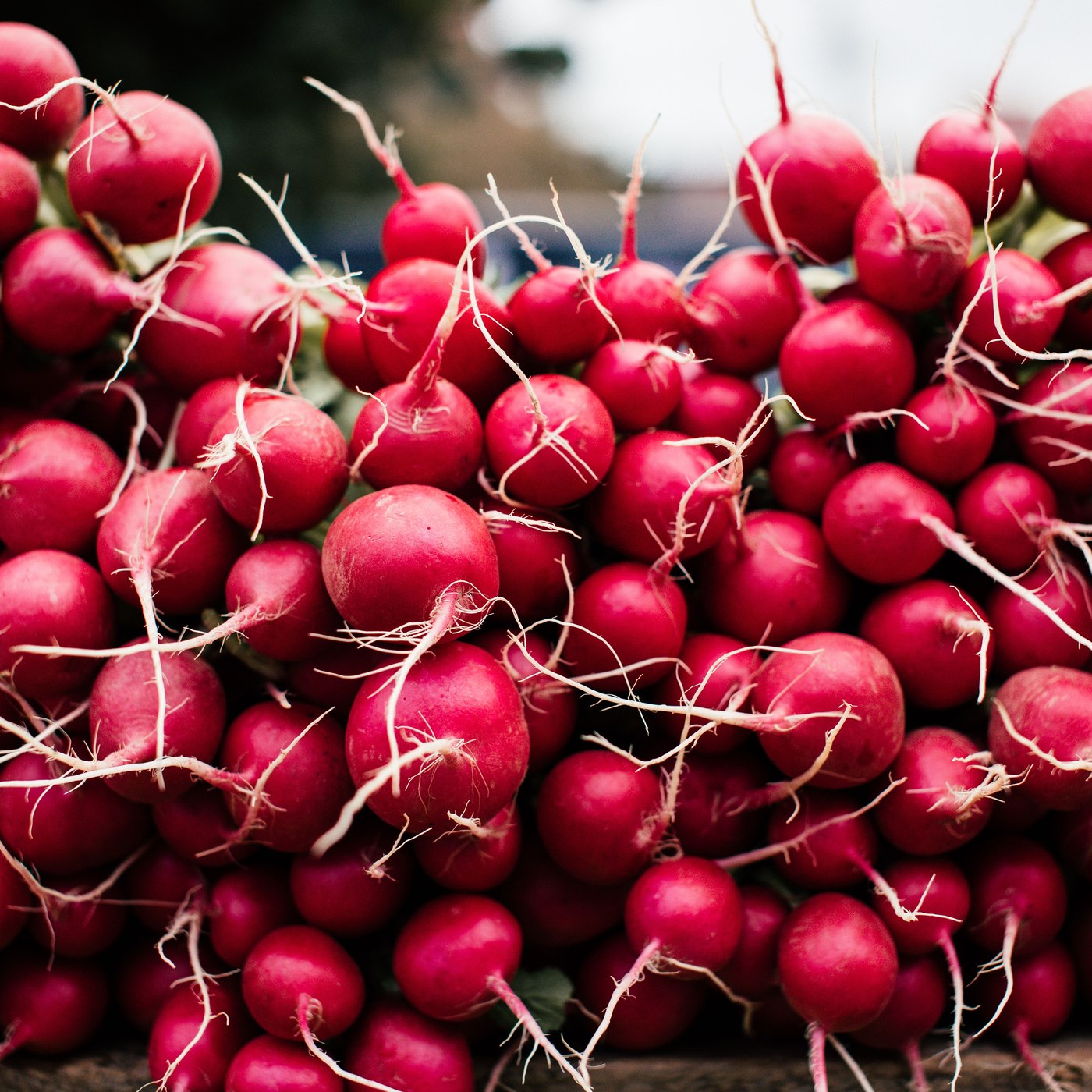
Fall planting often begins while summer still feels far from over. Start with the vegetable’s local fall window and the variety's days to maturity. Check whether that count begins at sowing or transplanting; the distinction changes the calculation.
Allow time to establish
Allow for growth slowing as days shorten and temperatures fall. Local fall calendars may already include an allowance, so read their instructions before adding extra days yourself. A spring maturity figure alone can make a fall sowing too late.
Summer heat can also make establishing cool-season vegetables difficult. Use the local calendar's fall instructions for sowing or raising seedlings, and keep the seedbed from drying out while seeds germinate.
Before each planting
For each planting, keep a short note: the vegetable and variety, seed or seedling, local window, soil condition and coldest forecast night. When those checks suit the crop, plant that part of the garden. Keep the rest on its own schedule.
Sources +
- NOAA NCEI — When to Expect Your Last Spring Freeze
- NOAA NCEI — Climate Atlas
- USDA ARS — How to Use the Plant Hardiness Zone Map
- National Weather Service — Local Forecast
- National Weather Service Charleston — Frost/Freeze Information
- University of Minnesota Extension — Planting the Vegetable Garden
- Oregon State University Extension — An Educator's Guide to Vegetable Gardening
- University of Maryland Extension — When to Plant Vegetables
- University of Maryland Extension — Planting Vegetable Transplants
- University of Maryland Extension — Fall Vegetable Gardening
- USDA NIFA — Land-grant University Website Directory