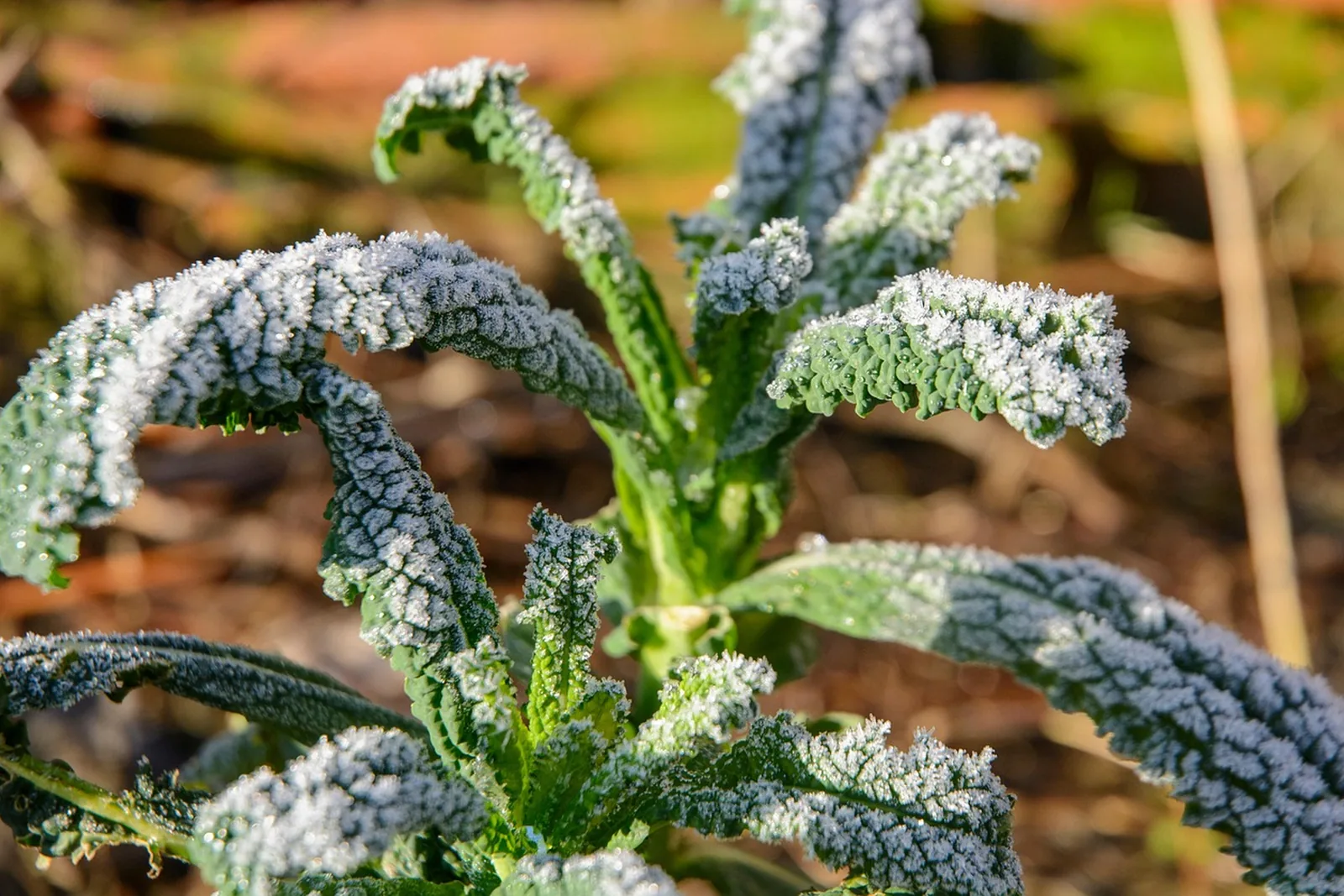
Hardiness zones help you choose perennial plants
A hardiness zone describes how cold the coldest part of winter usually gets, averaged across many years. It’s useful when buying shrubs, trees and other perennials—plants you expect to live for more than one season.
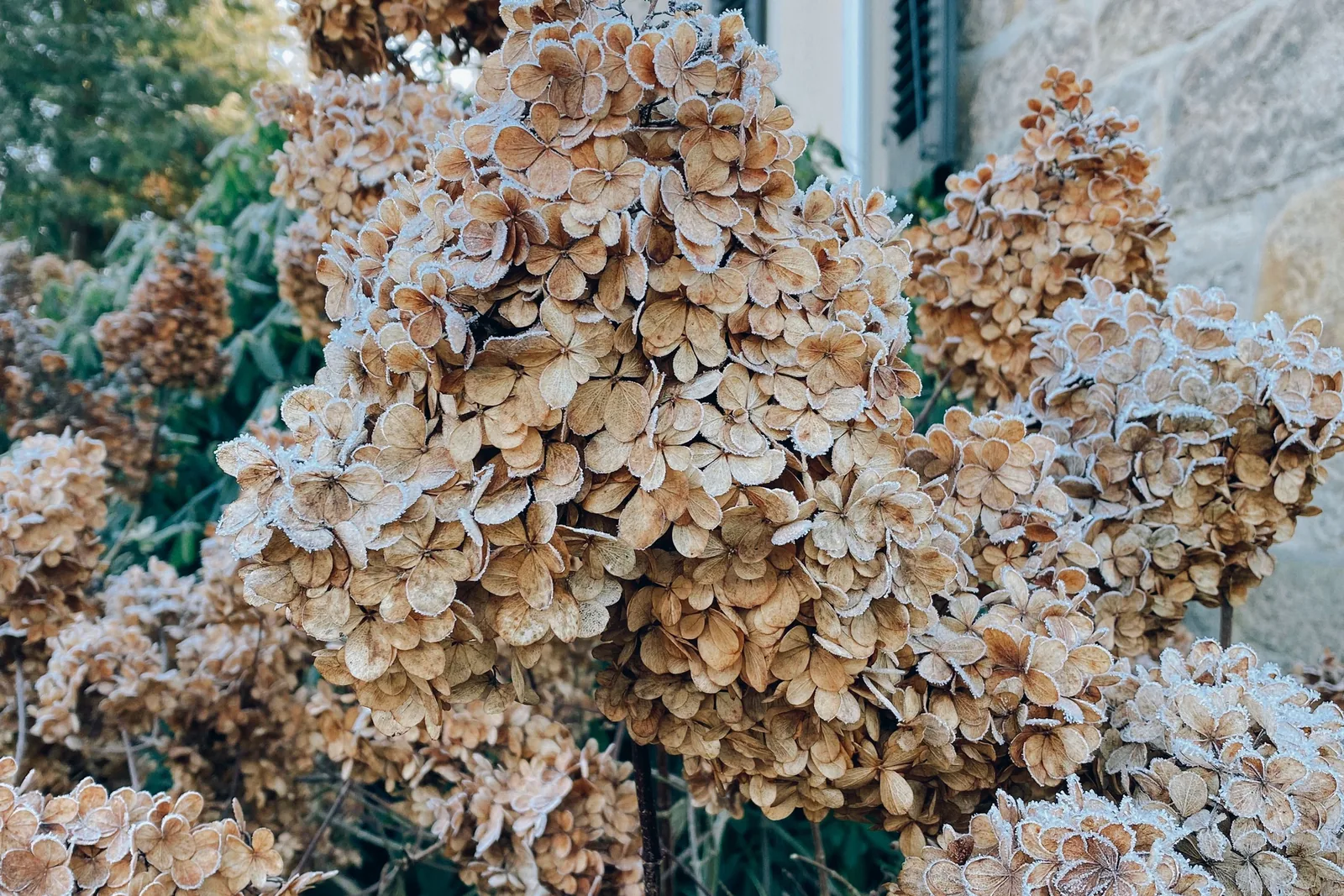
Match the tool to the decision
Average annual extreme minimum winter temperature.
Use it to check a perennial’s winter fit, then assess the site.A defined record, threshold and probability or range.
Use it with the named plant and planting method.Current overnight lows and frost or freeze products.
Decide with plant, site, soil and protection options.The USDA map divides temperatures into 10°F zones, with 5°F half-zones marked a and b. Find your location on the USDA map, then compare it with the range on the plant label. A plant labeled for Zones 5–8 is being offered for that winter-hardiness range; it still needs suitable sunlight, soil, drainage and moisture.
The map measures the average annual extreme minimum temperature. It doesn’t describe the average temperature of the whole winter or the lowest temperature that could ever occur. An unusually severe winter can still damage a plant that normally grows well in your area.
For a vegetable grown during one warm season, the planting calendar and conditions in the garden are more useful than the zone alone.
Frost dates help you plan the growing season
The last spring freeze and first fall freeze give you a rough outline of the outdoor growing season. They come from past weather records. Individual years can differ, so use them to plan seed orders and planting windows, then adjust to the weather as the time approaches.
Before relying on a date, check five things:
- Location: is the information for a nearby station or an area with similar conditions?
- Temperature: does it describe 32°F air temperature, a lower threshold or surface frost?
- Years covered: which period of weather records does the date use?
- Event: is it the last spring event or the first fall event?
- Meaning: is the date an average, a common range or a stated probability?
Those distinctions matter when two websites give different dates. They may be describing different measurements rather than disagreeing about the same thing.
The crop matters too. Spinach and tomatoes don’t tolerate the same conditions. Find a vegetable planting calendar from your state or county’s Cooperative Extension service—the university-supported service offering local gardening advice—and check the entry for seeds or transplants. The vegetable planting guide explains how to combine that window with soil and weather checks.
Why frost can form above 32°F
On a clear, calm night, leaves and other exposed surfaces can cool below the air temperature measured above the ground. Frost can therefore form even when the reported air temperature stays above freezing.
If the forecast shows 35°F and includes a Frost Advisory, take the advisory seriously. The number doesn’t mean every leaf in the garden will stay at 35°F. Tender seedlings and plants in exposed positions may need protection or a delay in planting.
Look at the forecast’s wording as well as the temperature. Frost and freeze alerts describe different situations, and their seasonal use varies by area.
Where cold air collects in a garden
Low places can collect cold air, while nearby walls and shelter can change exposure. A planting bed can behave differently from the weather station supplying the forecast.
Walk around after a frosty morning. Notice where frost lasts, which plants show damage and where the soil stays wet. Keep a short record through the season. These observations can help you choose a better position for a tender plant or decide which beds to protect first.
A sheltered corner doesn’t justify inventing a warmer hardiness zone for the whole yard. Use the map and forecast as the starting information, then account for the particular planting spot.
Use the forecast to prepare for a cold night
Check Weather.gov for your city or ZIP code shortly before planting or protecting plants. Read overnight lows, alerts and the expected duration of the cold. Recheck when conditions change.
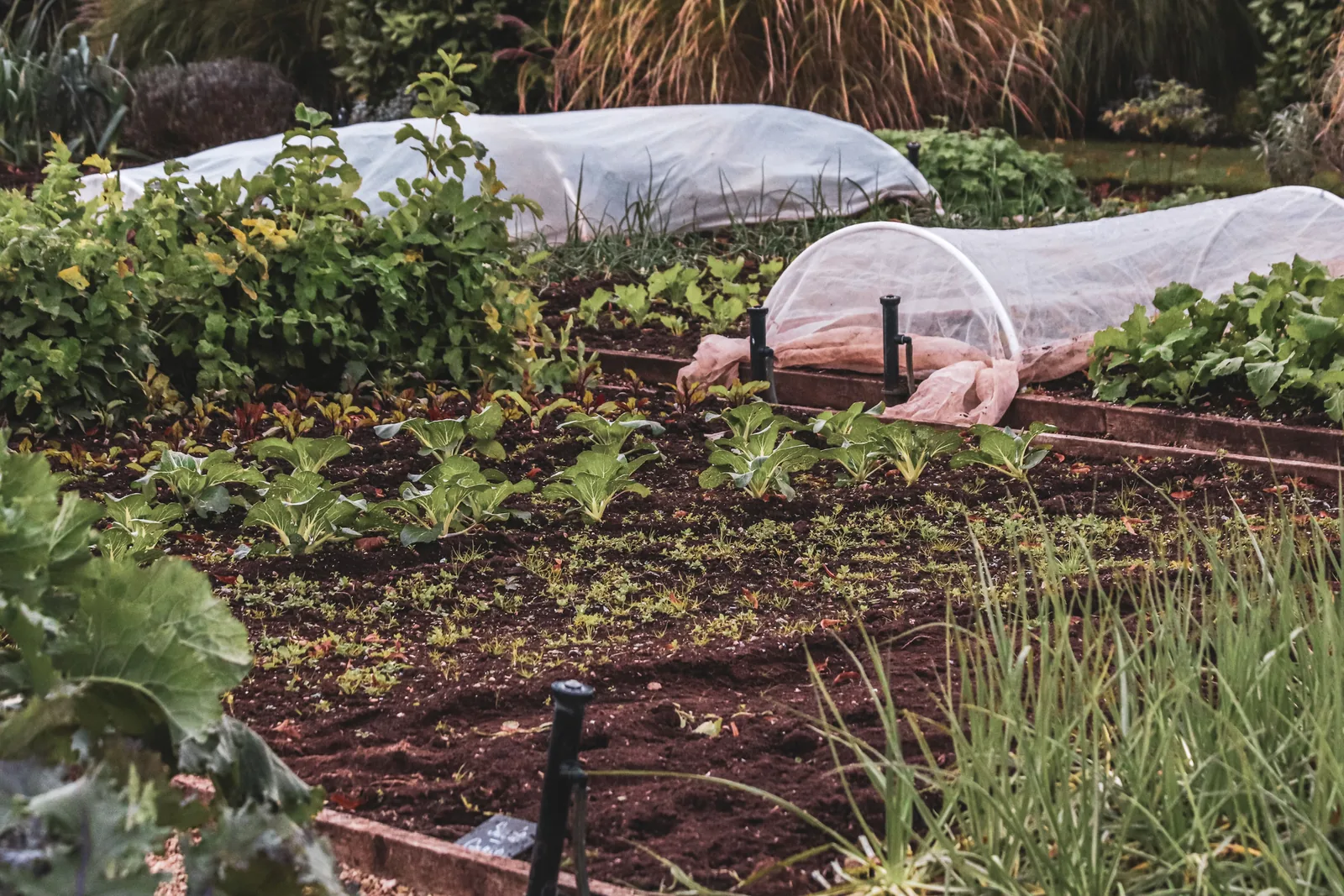
For tender seedlings waiting in pots, postponing planting may be easier than protecting a whole bed. Move pots to suitable shelter when possible. Established plants may need a cover installed according to its instructions, with attention to ventilation when conditions warm.
Cold soil is a separate problem. A cover over the leaves doesn’t necessarily make the root zone suitable for a warm-season vegetable. Check soil readiness before planting even if the coming nights look mild.
Three everyday garden decisions
Buying a shrub: start with its winter-hardiness range, then check light, soil and mature size. A zone match is one useful filter in choosing a plant that belongs in that position.
Planning tomatoes: find the local transplanting window and count backward if starting seeds indoors. As the planting window approaches, check soil conditions, the forecast and whether the seedlings have been hardened off.
Preparing for tonight: use the current forecast and look at what is vulnerable in the garden. A newly planted pepper may need attention while an established cold-tolerant vegetable nearby needs none.
Keep three useful garden notes
| Garden question | Information to keep | When to use it |
|---|---|---|
| Will this perennial suit our winters? | Your hardiness zone and the plant’s labeled range | Before buying and choosing its position |
| When should I plant this vegetable? | The crop’s local sowing or transplanting window | When planning and preparing the season |
| What needs protection now? | The current overnight forecast and alerts | Before planting and ahead of a cold spell |
You don’t need to calculate a climate model for your backyard. Keep these three pieces of information separate, and each becomes easier to use. The zone helps with long-lived plants; the calendar helps organize planting; the forecast helps you act on the weather coming next.
Sources & further reading+
Authoritative references used in this guide:
- USDA ARS — Using the Plant Hardiness Zone Map
- USDA ARS — 2023 Plant Hardiness Zone Map
- NOAA NCEI — When to Expect Your Last Spring Freeze
- NOAA NCEI — US Climate Normals
- NOAA NCEI — Annual and Seasonal Climate Normals
- National Weather Service Aberdeen — What Causes Frost?
- National Weather Service — Frost Advisory Glossary
- National Weather Service — Freeze Warning Glossary
- National Weather Service — Local Forecast
- University of Maryland Extension — When to Plant Vegetables
- USDA NIFA — Land-grant University Directory