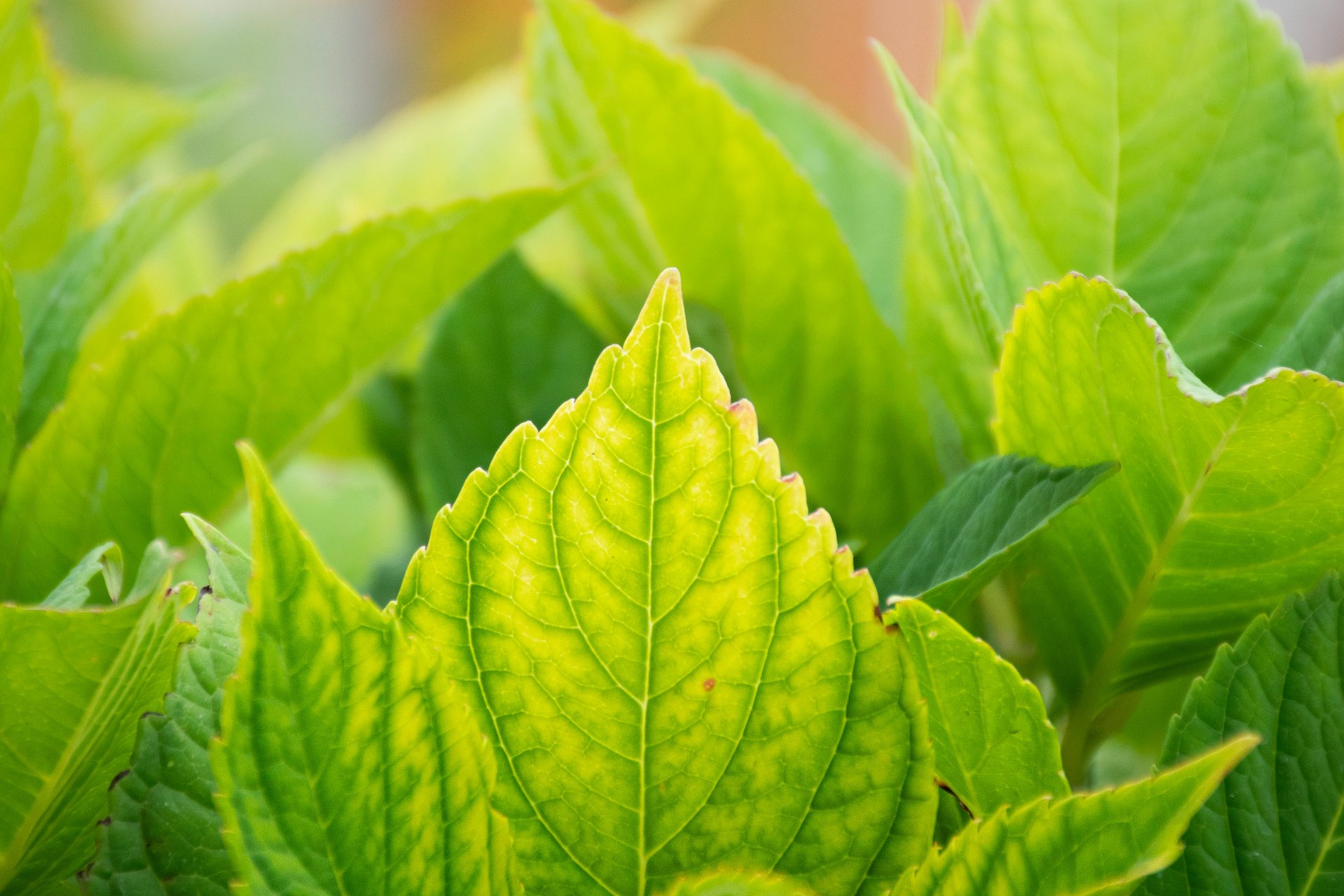

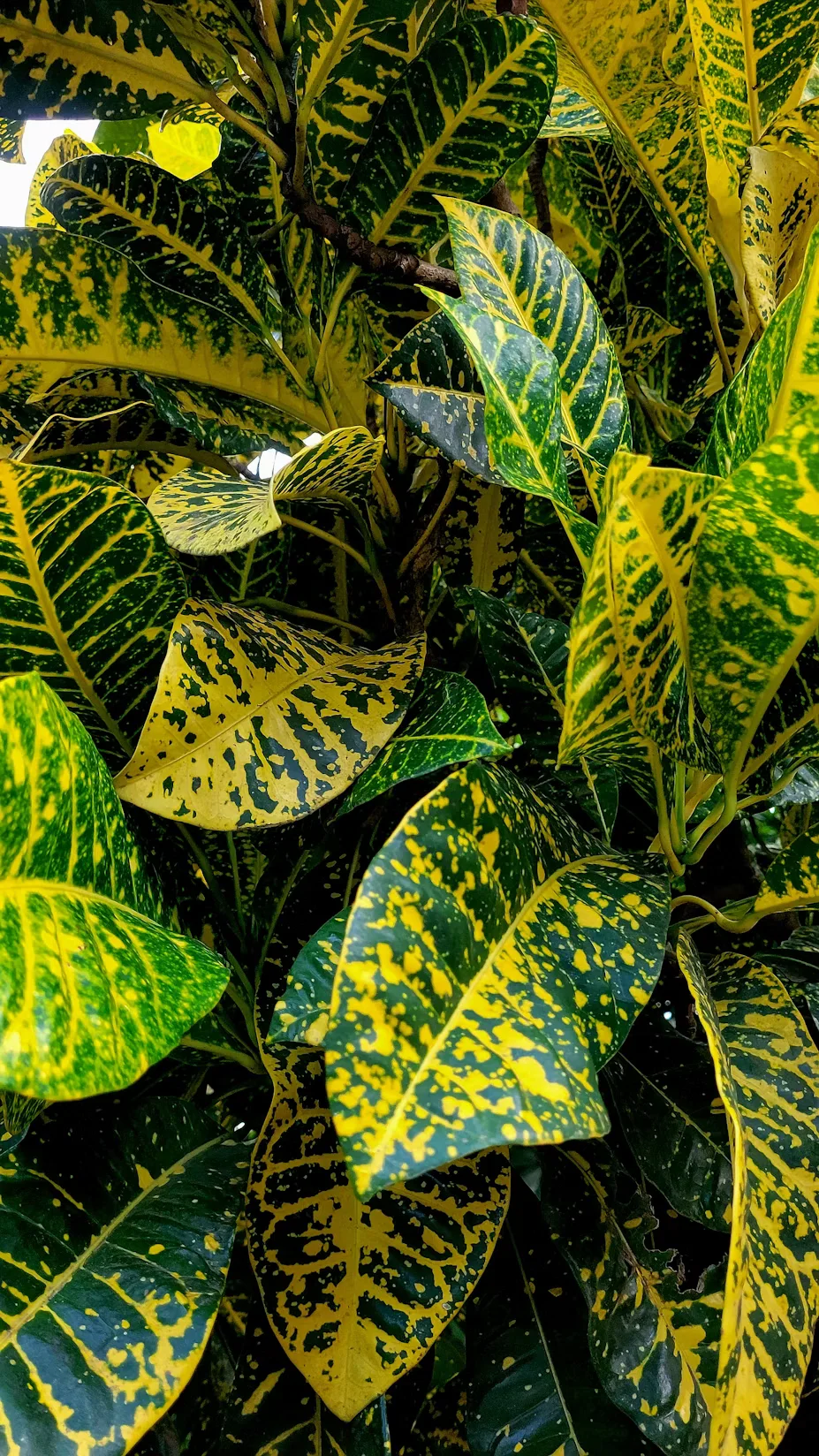
A few older leaves may need no change in care
Plants shed older leaves as they grow. A few older leaves fading while fresh growth looks healthy can be ordinary aging. Watch the plant before changing a care routine that is otherwise working.
Watering: find out what the roots are getting
I’d make this the first practical check. A thirsty plant and a plant sitting in saturated soil can both droop and turn yellow, yet adding water helps only one of them.
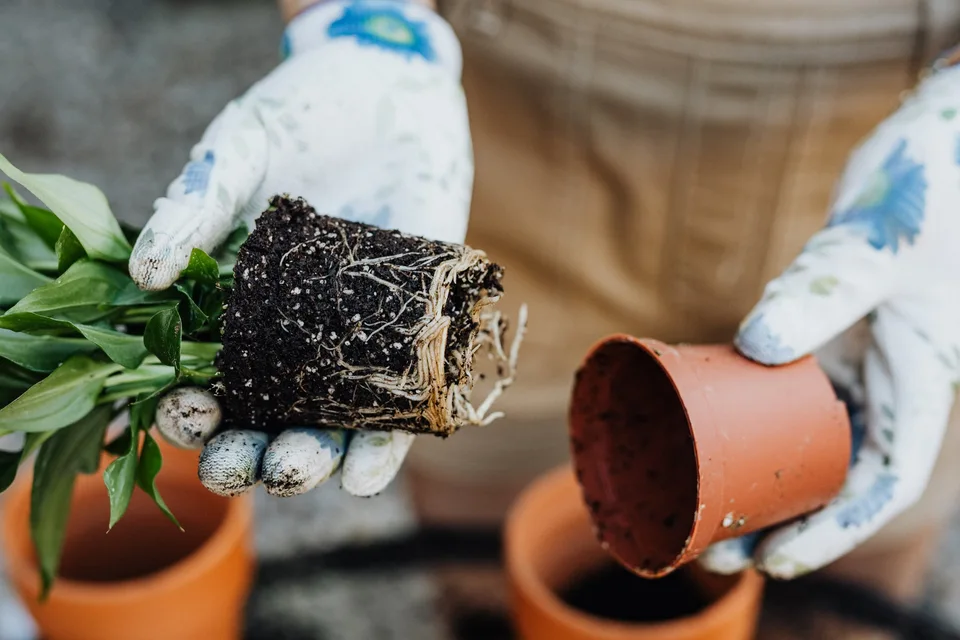
Feel below the surface
- Move mulch aside and use a small trowel to take a little soil near the plant, working gently around the roots.
- Feel the sample. A dry surface can hide moisture underneath; notice whether water drains away or the soil remains soggy.
For a small potted plant that slips out easily, support the root ball and inspect its sides and base. Return it gently without pulling the stem or breaking the roots apart.
Soft, decaying roots or a soft stem base? Get plant-specific help promptly.
Dry root area
Water slowly and recheck
- For a new planting
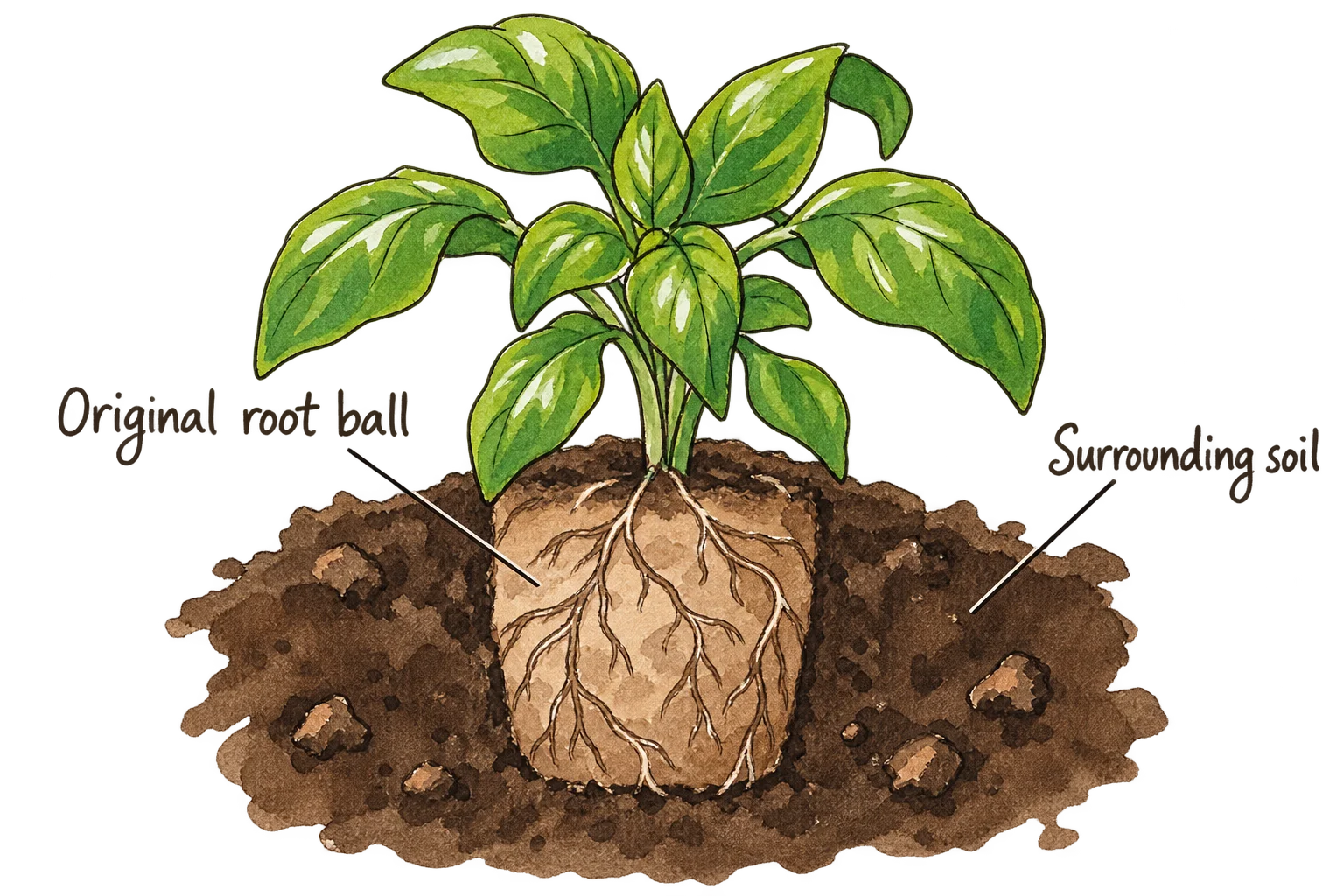
- Direct water over the original root ball. Moist garden soil beside it does not mean water has reached those roots.
- After watering
- Feel below the surface again. Adjust subsequent watering to the plant, soil and weather rather than a fixed weekly schedule.
Soil that stays saturated
Find why it remains wet
- Pause additional watering
- Roots need oxygen, and prolonged saturation can damage them. Investigate the wetness before adding more water.
- In a pot or garden bed
- Empty a pot’s saucer and check drainage holes. In the garden, look for runoff collecting near the plant or irrigation continuing after rain.
What to check first
Choose the leaf pattern and soil condition that best match your plant.
Choose two observations
Your selections will point you to the most useful place to start in this guide.
Read the checkHas the plant’s light or care changed?
A recent change gives you another way to work out what the plant needs. Think back to when the yellowing began: was it transplanted, moved into stronger sun or shaded by nearby growth? Heat, frost, heavy rain and missed watering belong in that history, too.
Twisted new leaves after weed spraying
Unusually narrow or twisted new leaves after spraying can suggest herbicide injury, although other problems can look similar. Keep the product name and timing. A state pesticide agency or the pesticide advice service can advise on suspected drift.
An affected edible plant: get product-specific advice before harvesting.
Would feeding help?
Fertilizer can help a plant that needs nutrients. First, make sure its roots are able to use them: poor drainage, damaged or restricted roots and unsuitable soil pH can limit uptake even when nutrients are already present.
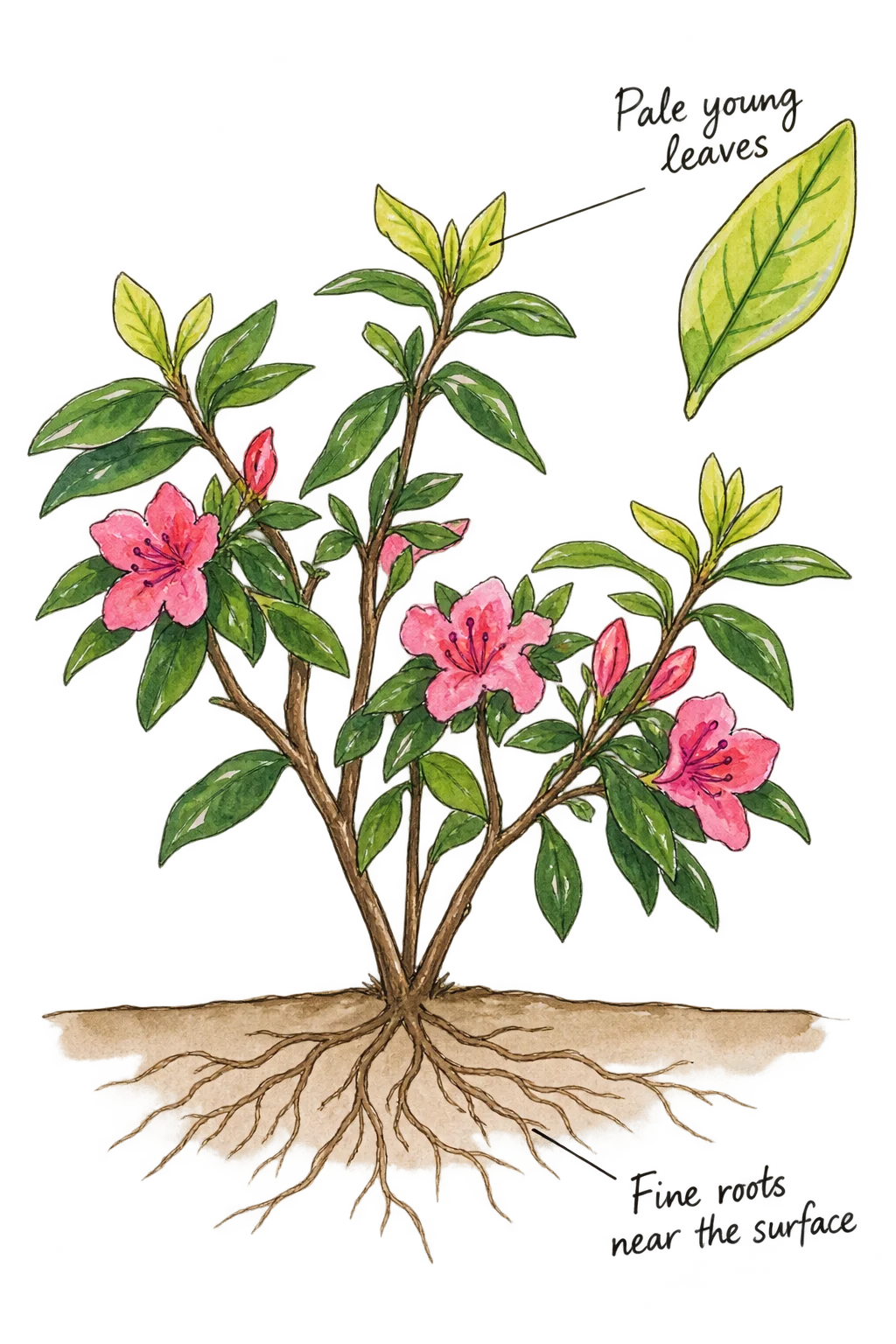
An azalea can need a soil correction
An azalea growing in soil that is too alkaline can develop pale young leaves. Soil pH describes how acidic or alkaline the soil is, and it affects which nutrients the roots can absorb. Adding more general fertilizer does not address that underlying problem.
Once watering and root conditions are suitable, use feeding advice for the plant you are growing. A container vegetable and an established shrub have different needs.
Speckles, sticky leaves and dark spots
Marks and insects can point you toward a different cause. Look at the yellowing in good light, then turn a leaf over and examine the tender stems. A hand lens helps with tiny pests. The kind of mark is often more useful than yellow color alone.
Fine pale speckles
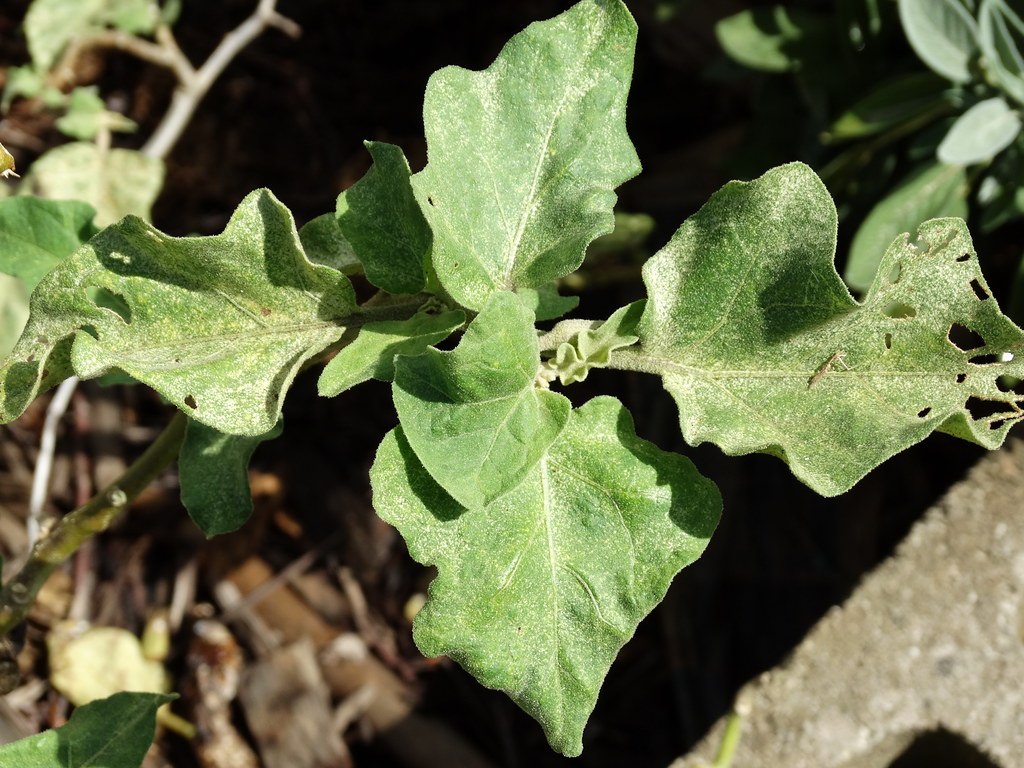
Spider-mite feeding can leave fine speckles that merge into bronzing. Look underneath for mites and fine webbing before choosing mite control. Larger chewing holes need a separate explanation.
Sticky leaves and insect colonies
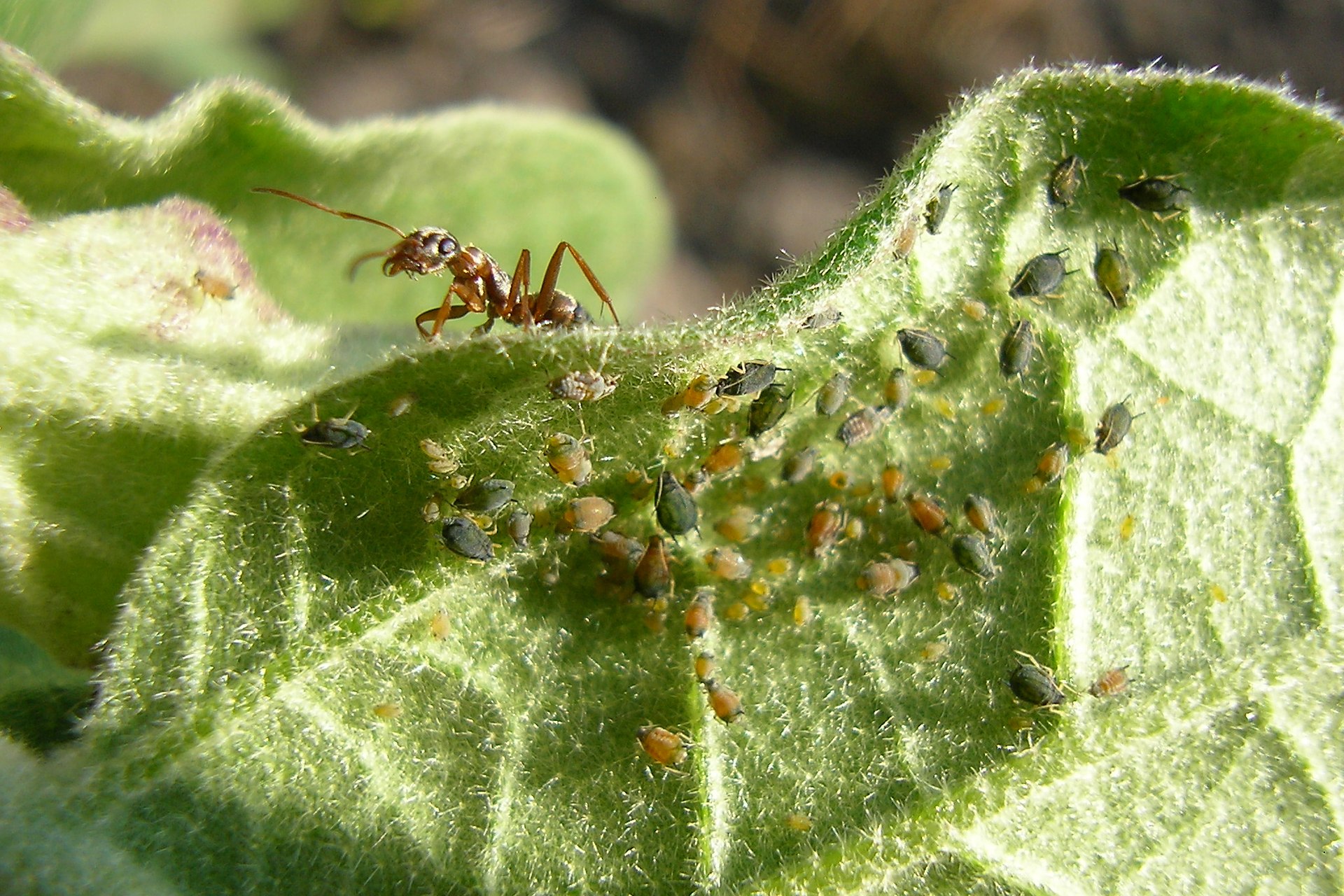
Sticky residue together with insects suggests sap feeders such as aphids, scale or mealybugs. Check growing tips, both leaf surfaces and stems. Compare small pear-shaped colonies with our aphid guide for identification and care.
Dark spots with yellow areas
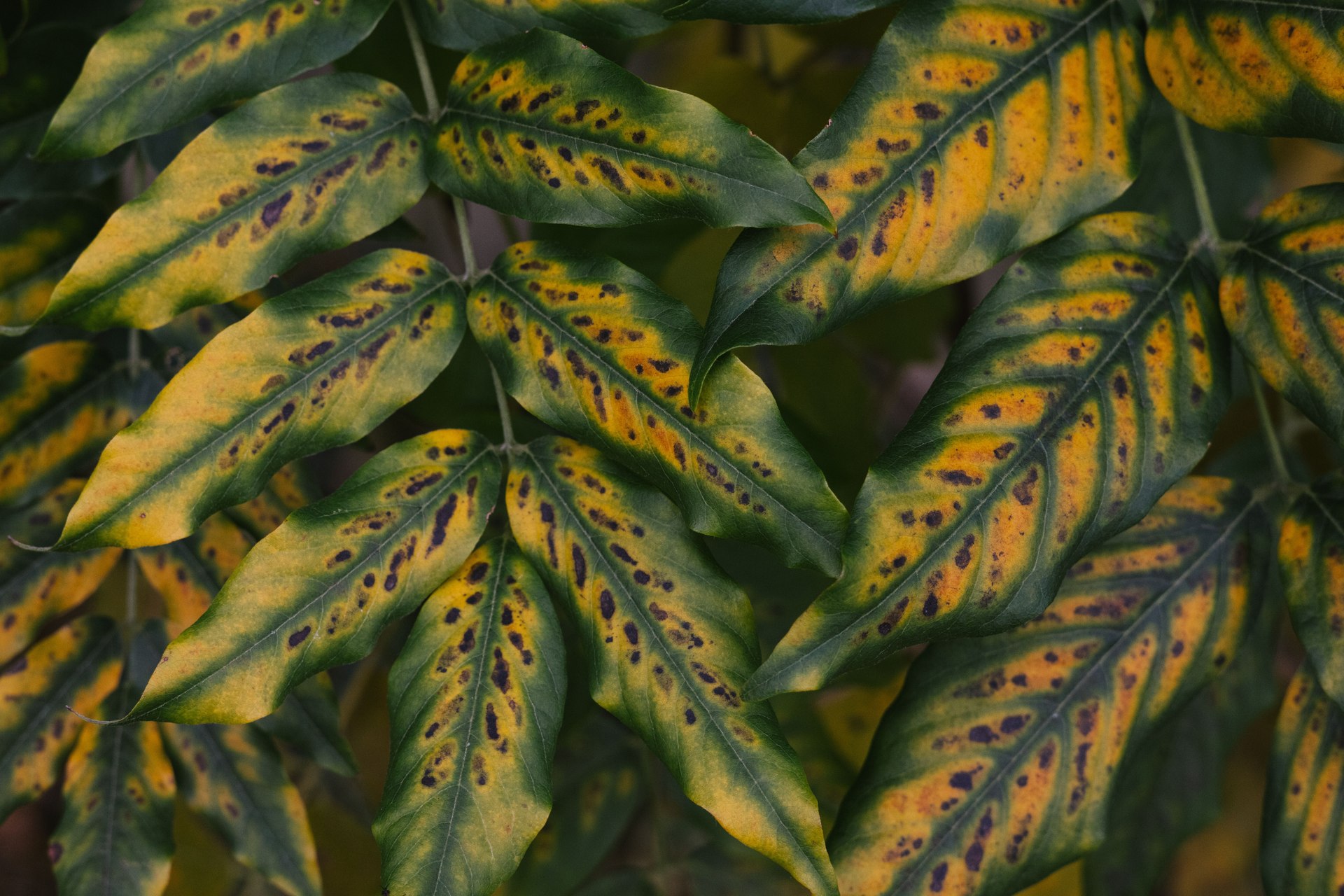
Separate spots call for a different investigation from fine feeding speckles. Disease, weather damage and spray injury can resemble one another. Identify the plant and compare its symptoms with reliable guidance for that plant in your region before choosing treatment.
Dead edges or patches
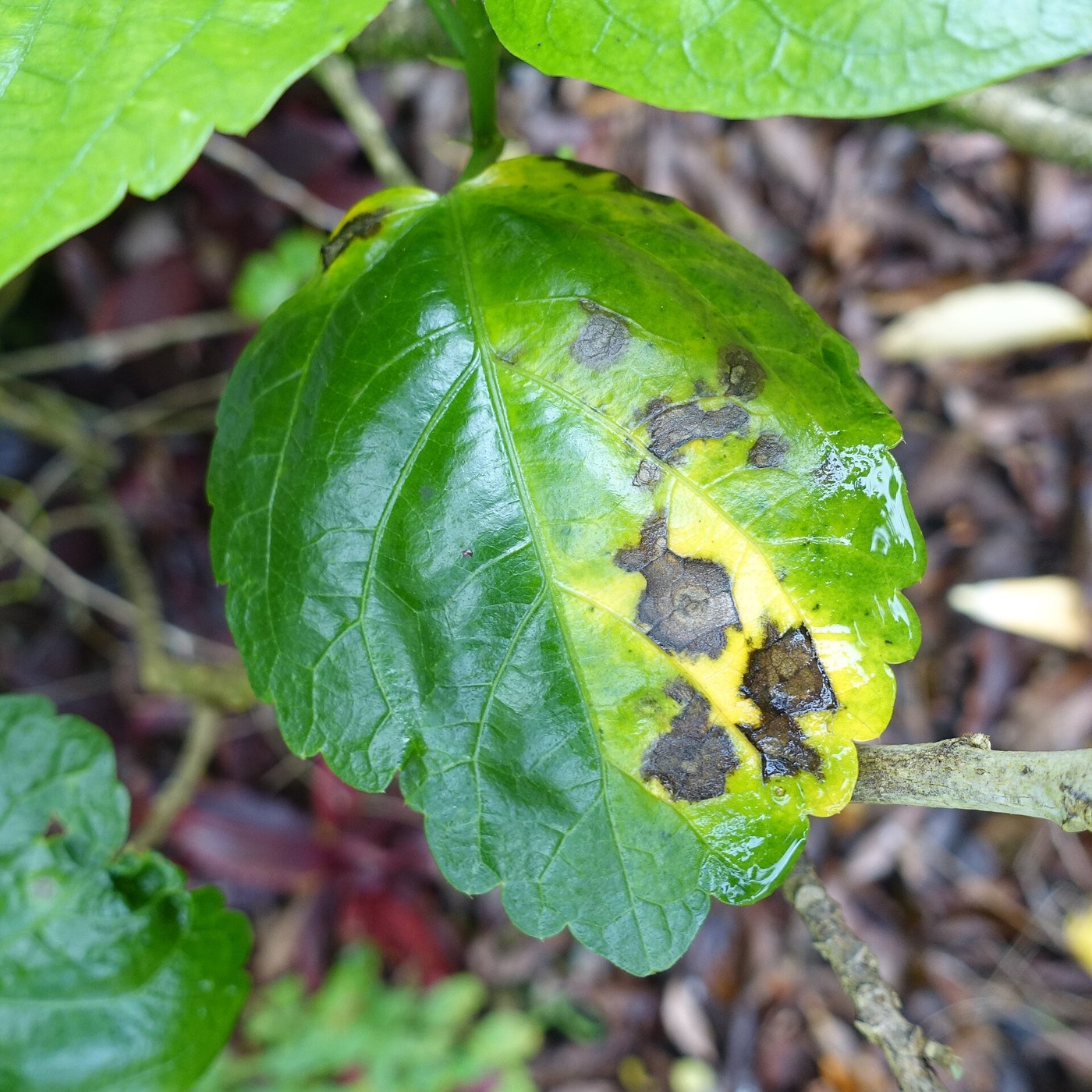
Dry or persistently wet roots can both produce dying leaf edges; heat and other injuries can also leave dead patches. Bring your soil findings and recent care history into the comparison. If the cause remains unclear, whole-plant photographs and close views of both leaf surfaces help someone investigate.
Choose treatment for an identified problem
Identifying the problem first helps you choose care that can address it.
Using a pesticide? Its label must cover the plant, site and pest. Follow its directions for dose, protective equipment, weather, re-entry and harvest intervals.
What to look for as the plant recovers
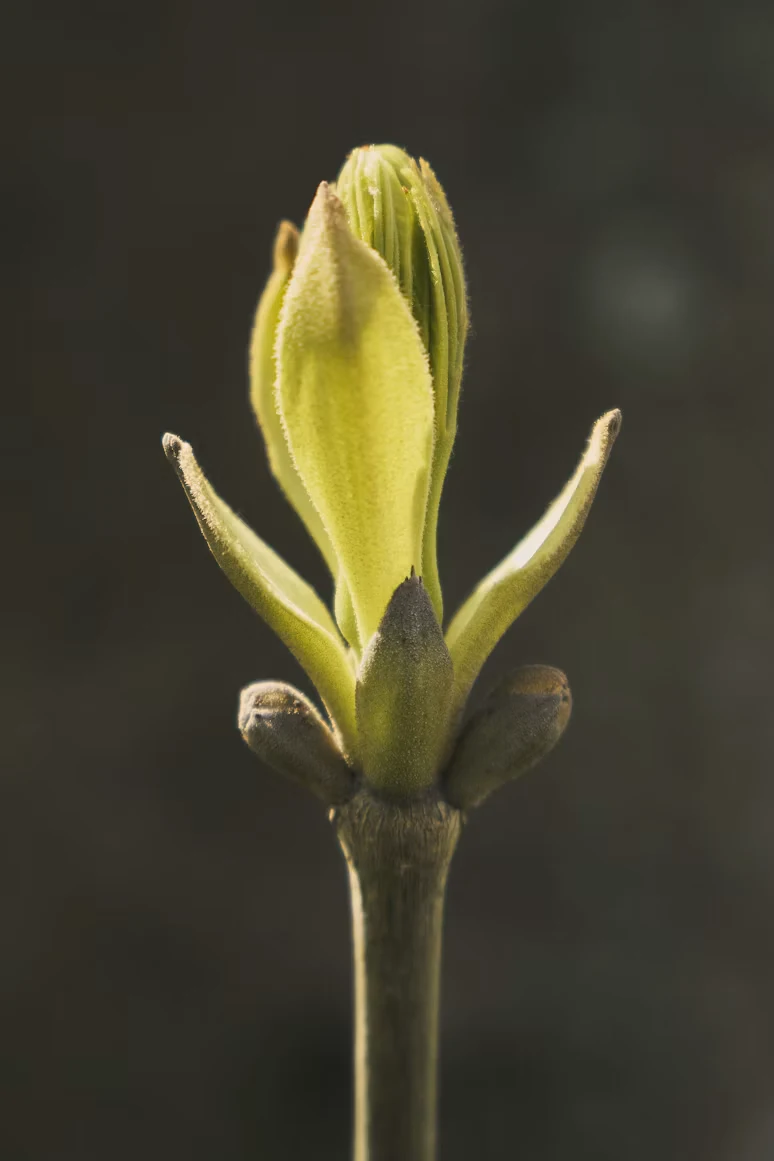
Give fresh growth your attention
- Healthy fresh growth and yellowing that stops spreading are encouraging signs.
Once you find a care problem, correct that and watch how the plant responds. Adding water, fertilizer and a spray together makes it harder to understand which change helped.
I’d keep an initial photograph for comparison. Allow for the plant’s season and usual pace of growth; there is no single recovery timetable for a seedling, houseplant and established tree.
When should I ask for advice?
For rapid decline, dying branches or rotting roots or stems, seek help promptly. Your local Cooperative Extension office—a university-supported gardening advice service—can help investigate or direct you to a plant diagnostic laboratory.
Search for the service with your county and state. Have the plant name, symptoms, care history and photographs ready. Ask the laboratory what it needs before collecting or mailing a sample.
Keep a note of what changed
A short record makes it easier to compare the plant later or ask for help.
Notes stay on this page until you copy them. Reloading clears them.
The aim is to give the plant care that fits what you have found. Start with one well-chosen step, then let its fresh growth help you judge the progress.
Sources +
- UC IPM — Estimating Irrigation Needs
- UC IPM — Aeration Deficit
- NC State Extension — Codiaeum variegatum
- Penn State Extension — Diagnosing Poor Plant Health
- Penn State Extension — Diagnosing a Plant Problem
- Penn State Extension — Overview of Plant Diagnostics
- UC IPM — Diagnosing Plant Problems
- UC IPM — Houseplant Problems
- UC IPM — Nutrient Deficiencies
- UC IPM — Water Deficit and Excess
- University of Maryland Extension — Herbicide Damage on Vegetables
- US EPA — Introduction to Pesticide Labels
- US EPA — Report Pesticide Drift Problems
- University of Minnesota Extension — Diagnostic Help for Fruit and Vegetable Farmers
- University of Maine Extension — Tips for Growing Houseplants