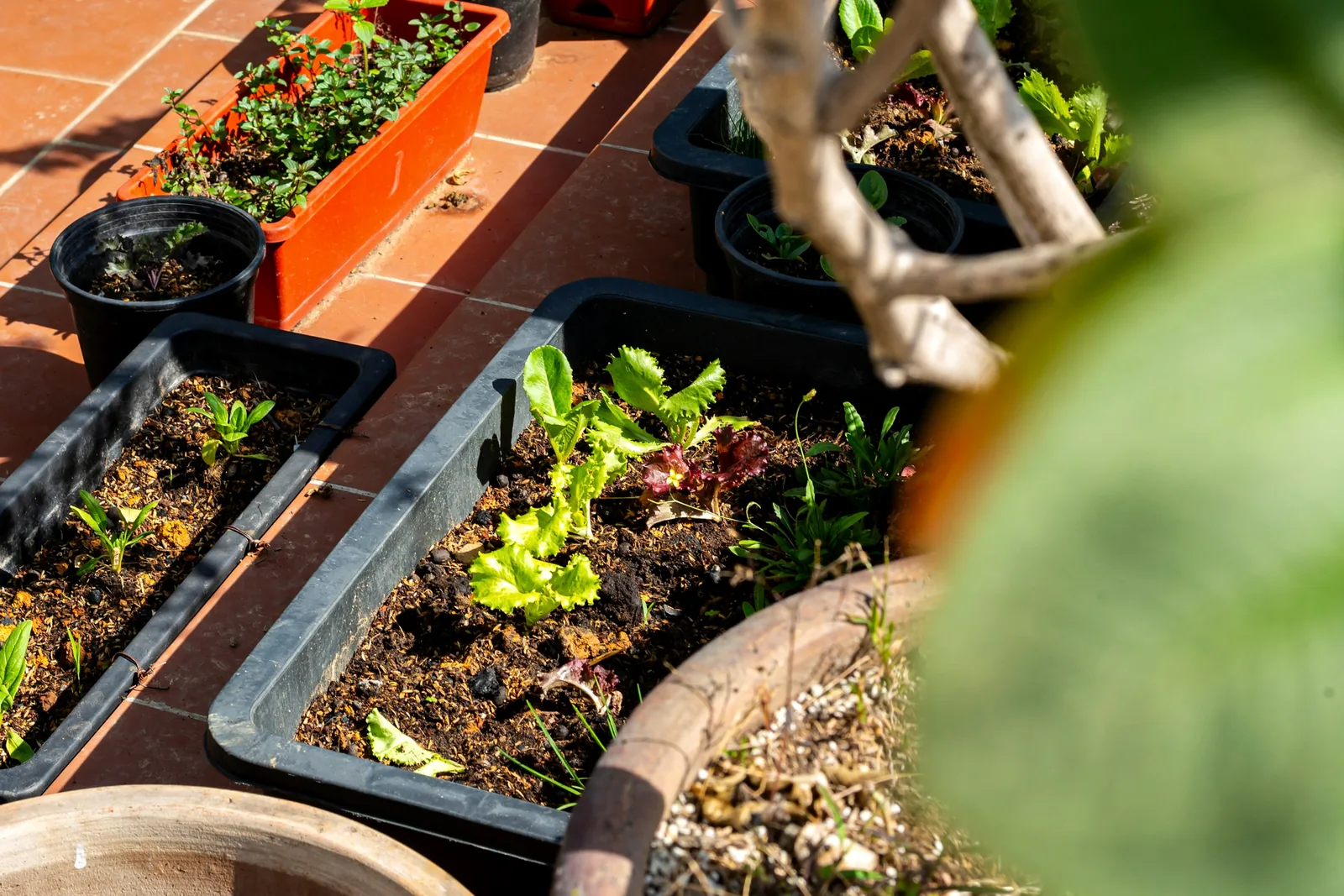
Choose vegetables for your sunlight and season
Fruiting vegetables such as tomatoes, peppers and cucumbers grow best with about six to eight hours of direct sun. Leafy vegetables can manage with less, making them better candidates for a partly shaded patio. Watch the place through the day before buying plants; bright reflected light isn’t the same as hours of direct sun.
Season matters alongside light. Lettuce, spinach and radishes suit cooler growing conditions, while tomatoes, peppers and beans need warmer conditions. In hot regions, the comfortable season for leafy vegetables may fall outside summer. Use the sunlight guide and local planting checks to choose crops for the place and time you have.
Keep water within easy reach. A sunny pot beside a convenient tap is much easier to maintain than several pots that require carrying water through the house. Check how wind and heat from paving affect that spot, too.
Choose enough volume, depth and surface space
Container volume tells you how much mix the roots can use. Depth matters for long roots, while surface width determines how many smaller plants fit at their proper spacing. Check all three before planting.
Start with the mature vegetable, not the seedling pot
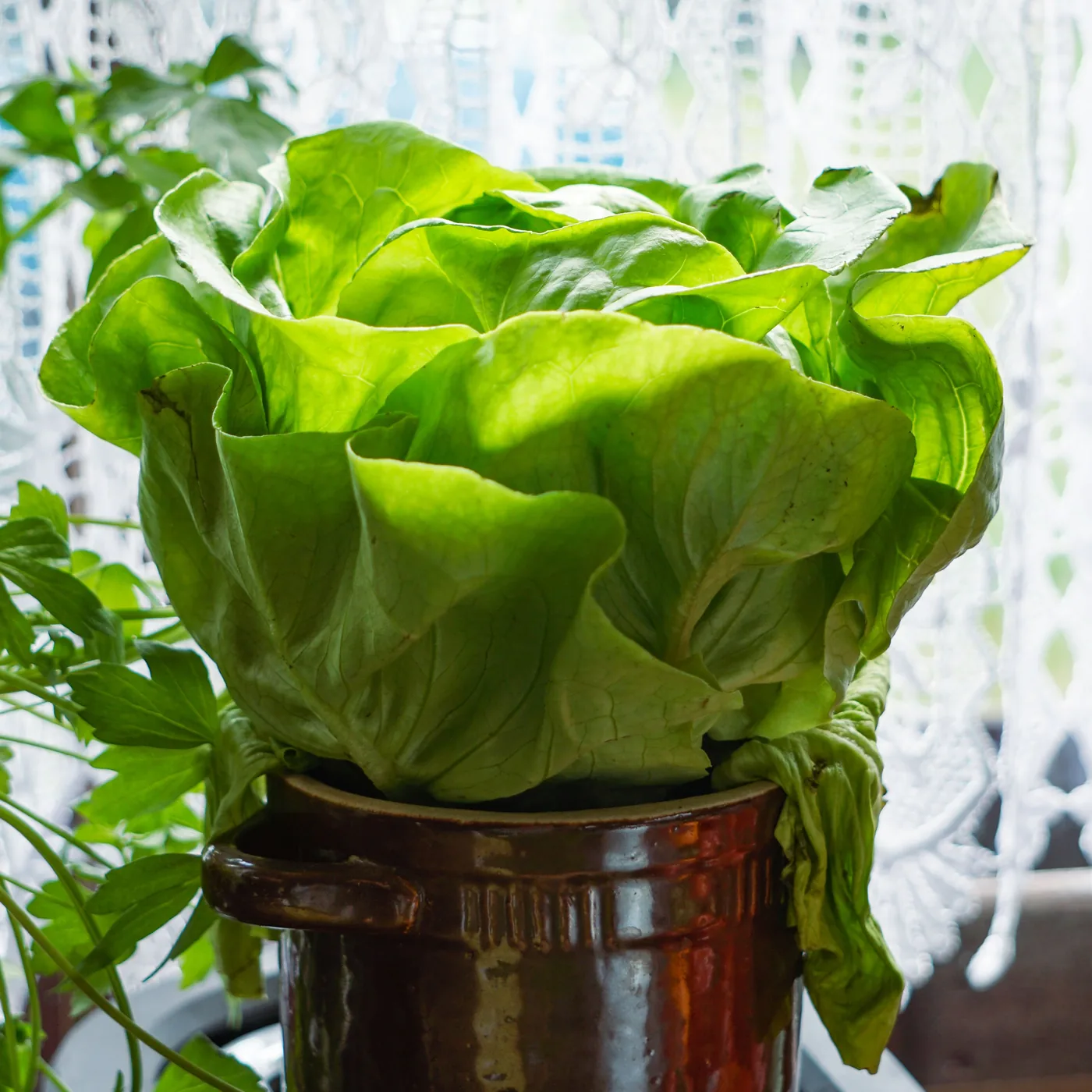
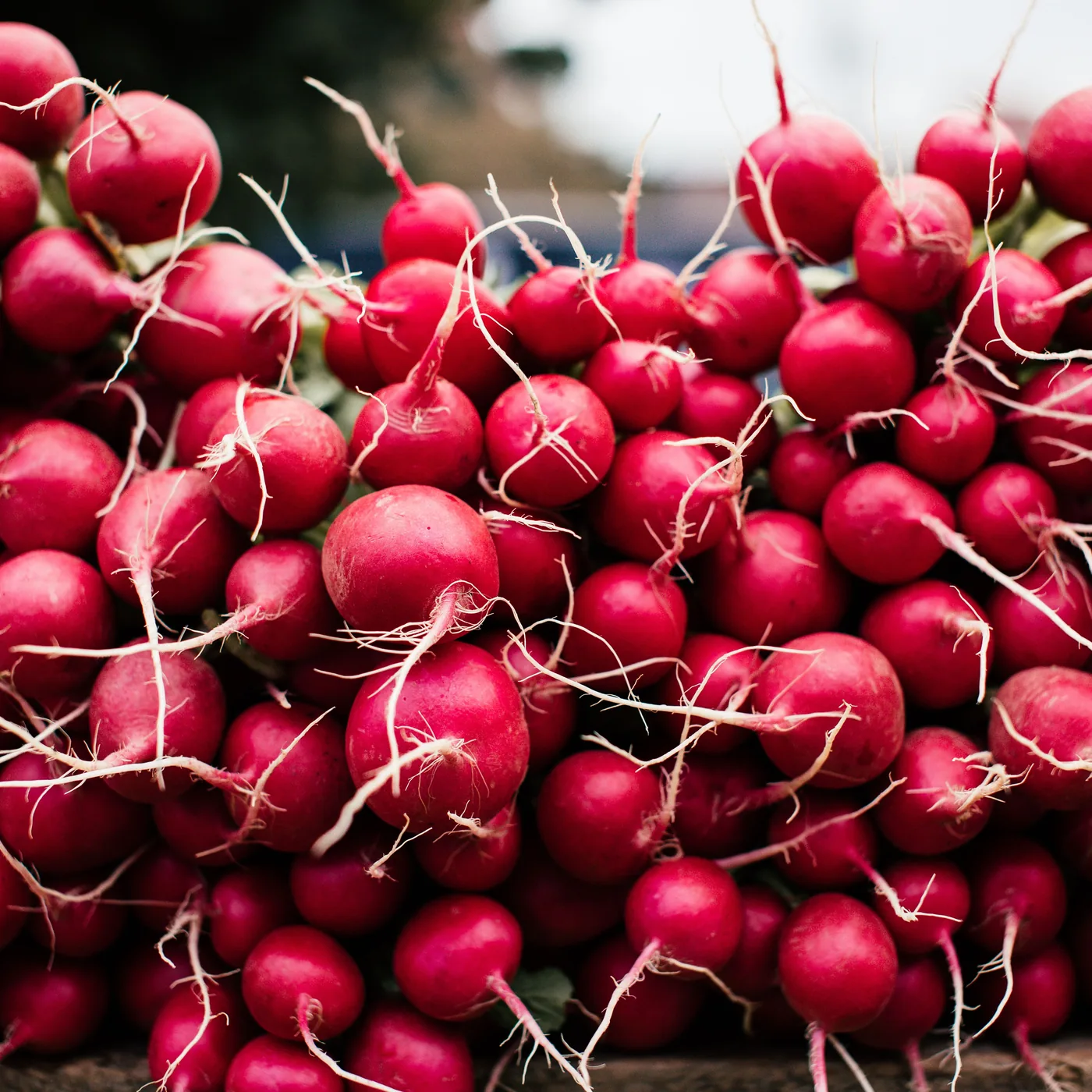
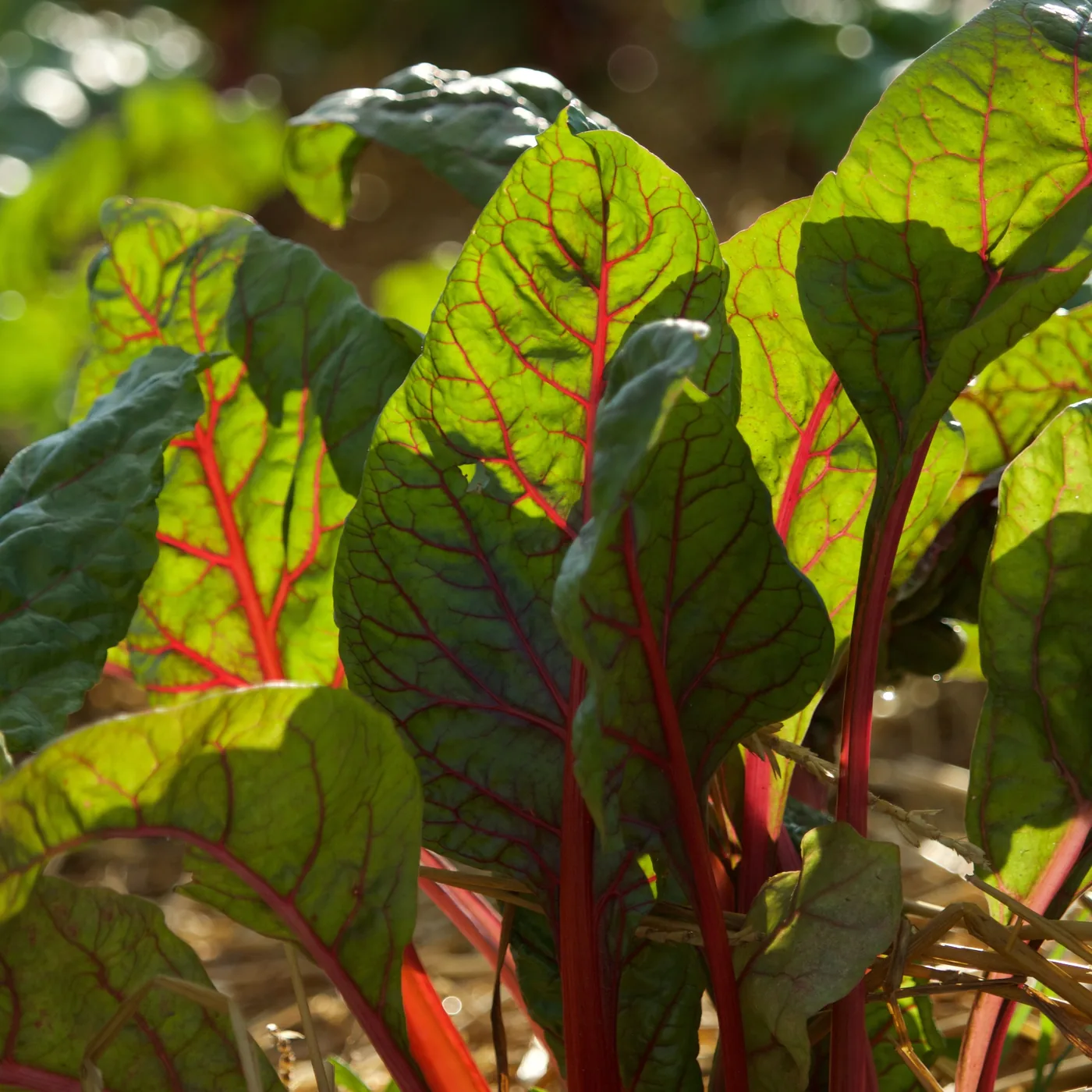
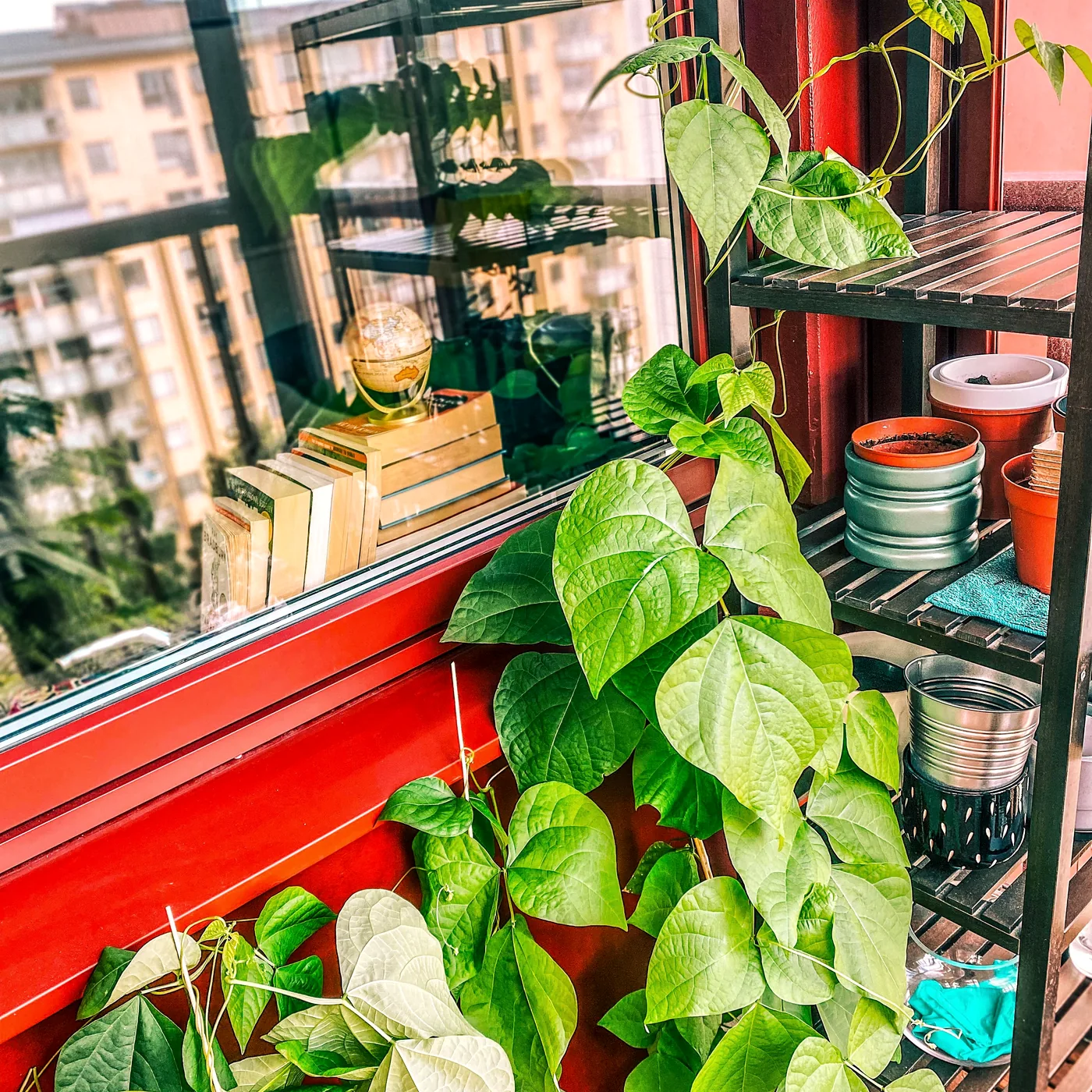

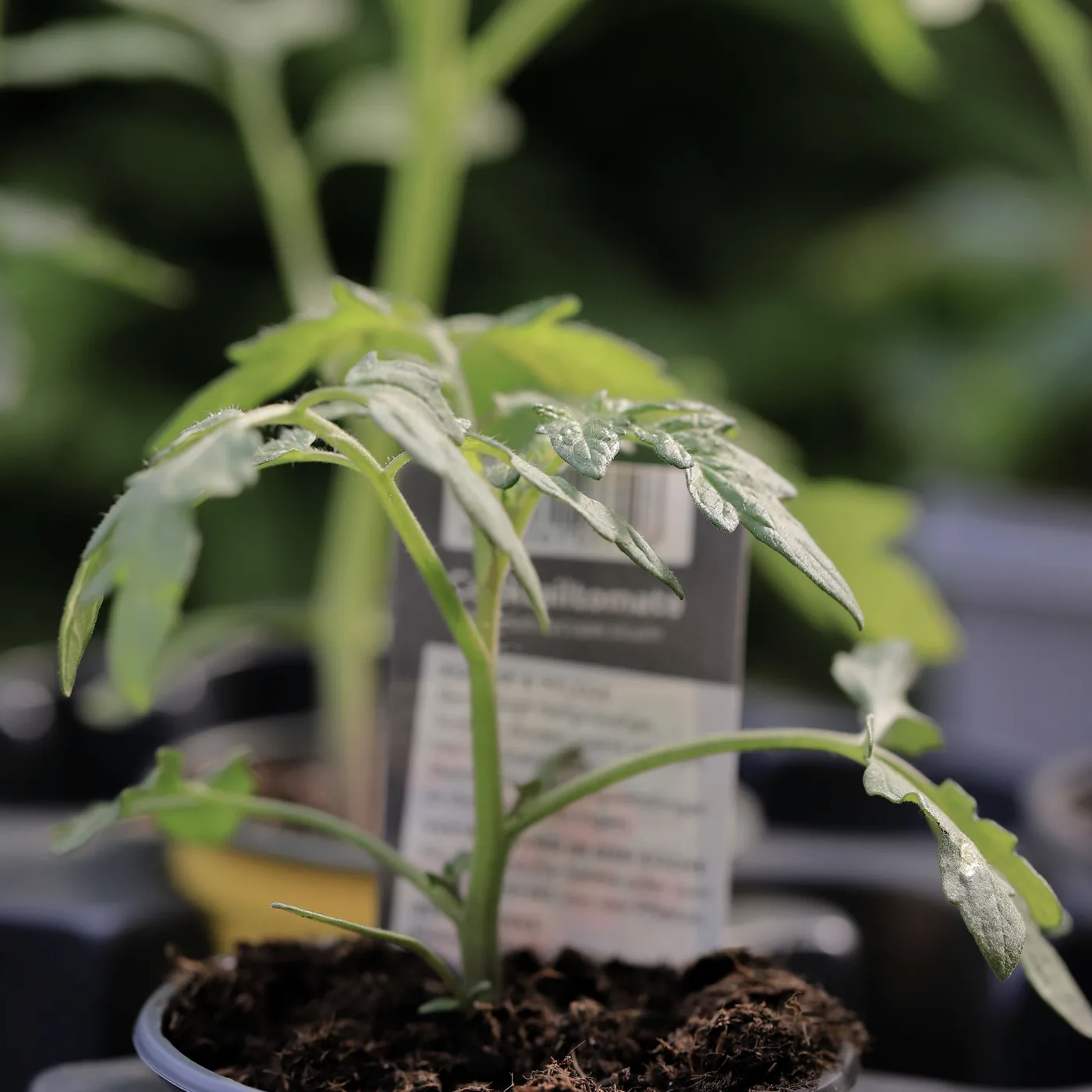
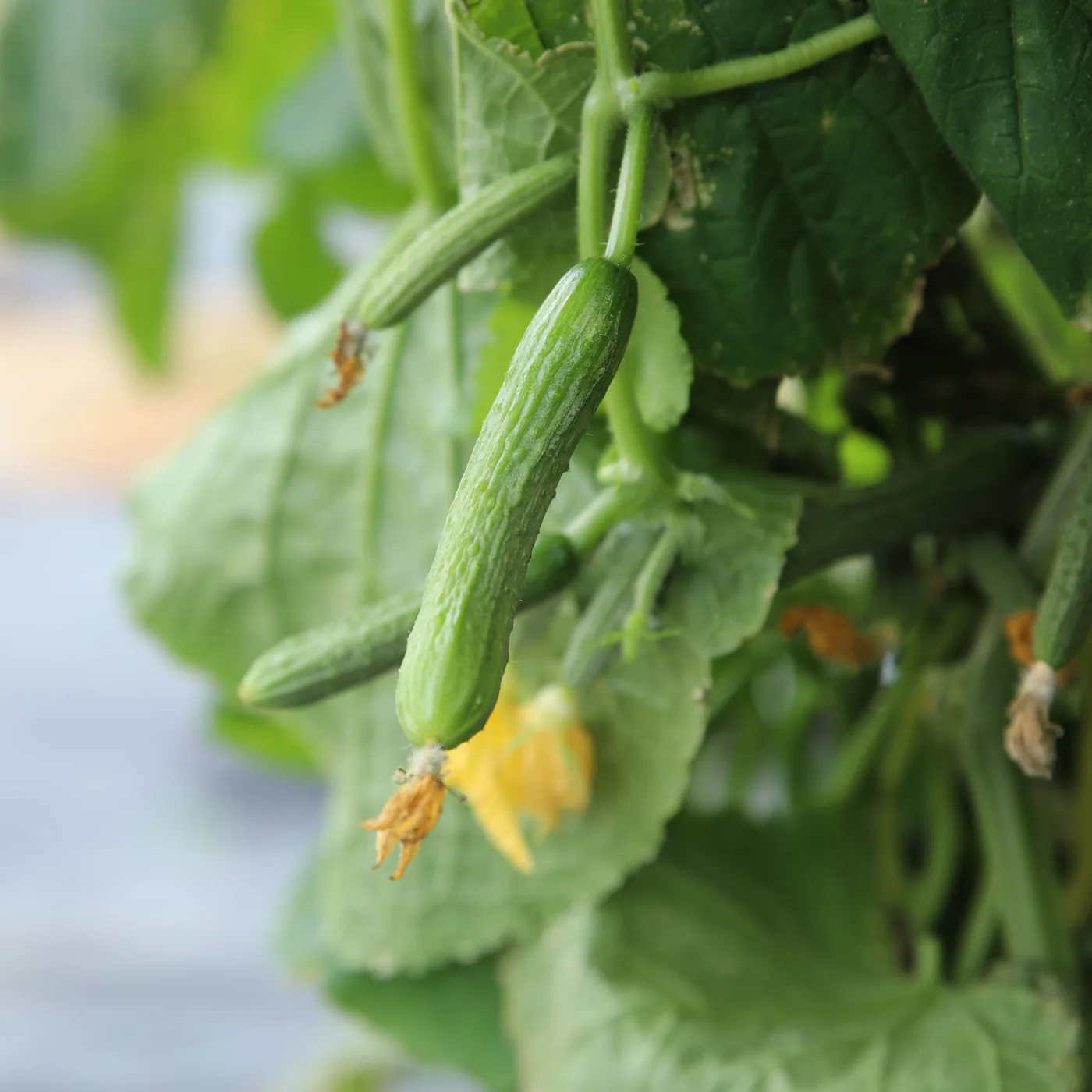
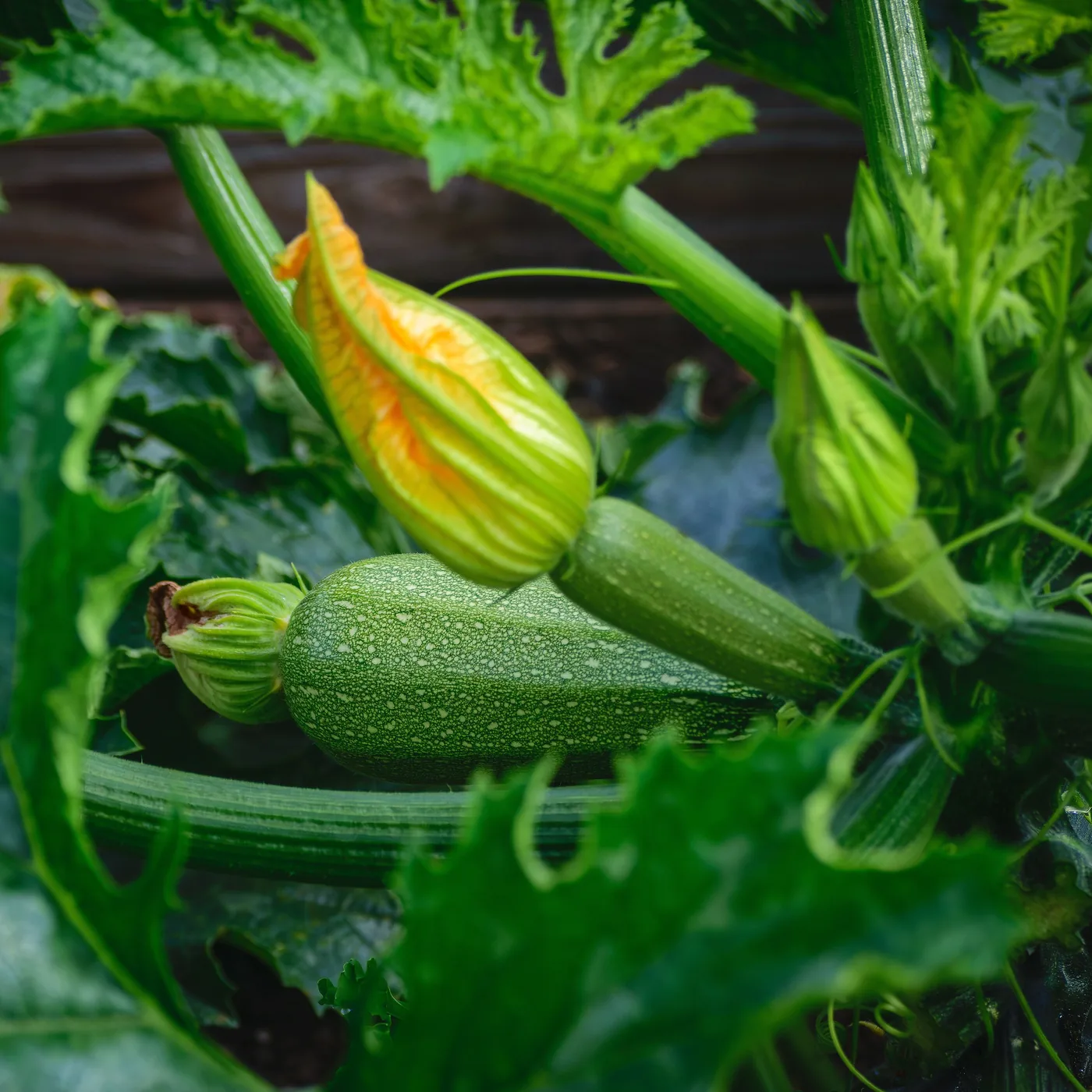
Choose the container for the mature plant, then allow room to water, support and harvest it.
A wide, shallow container can suit leaf lettuce but be too shallow for a long carrot. A deep, narrow pot may hold enough mix for a plant’s roots but be unstable once a large tomato grows above it. Read the container’s dimensions and capacity instead of judging from its photograph.
Leave room at the top for watering when working out usable soil depth. Choose a short carrot variety and provide about 12 inches of usable depth; a long-rooted variety may need more. Follow the variety’s spacing as well as its depth needs.
Match vegetables to a suitable pot
| Vegetable | A useful container starting point | How to plant it |
|---|---|---|
| Leaf lettuce, radishes or scallions | A broad 1–3-gallon container with 4–6 inches of mix | Sow a short row or small group, then thin to packet spacing |
| Bush beans, beets or chard | A broad 4–6-gallon container with 8–12 inches of mix | Use the packet’s final spacing; don’t fill every gap with seedlings |
| Short carrots | A container with about 12 inches of usable depth | Choose a short variety and thin seedlings so roots have room |
| Compact pepper or eggplant | At least 5 gallons | Give one plant its own container |
| Compact tomato | 10 gallons or more where space and weight allow | Grow one plant with a suitable cage or stake |
| Compact cucumber or summer squash | 10 gallons or more where space and weight allow | Grow one plant and allow room for its leaves or support |
The roomier tomato, cucumber and squash sizes are practical starting choices, not claims that smaller containers can never work. More mix gives you a larger moisture reserve and less restriction as plants grow. The variety and your watering arrangements still matter.
Check the mature plant, not just the seedling
Look for varieties described as compact or suitable for containers. A cherry tomato has small fruit, but its plant may still become a large vine. Check the expected growth habit and provide support before stems become difficult to handle.
Squash leaves can spread well beyond the rim. Place the pot so the mature plant won’t block a doorway or narrow path. For several small vegetables in one container, calculate their final spacing rather than keeping every seedling that germinates.
Use pots with drainage and suitable stability
Ordinary pots need drainage holes that stay clear. If the base sits flat against a surface and blocks the holes, raise it enough for water to escape. Empty standing water from a saucer rather than leaving the roots submerged.
A decorative outer pot can hold a planted inner pot, provided excess water can be removed. A purpose-made self-watering container has a reservoir and overflow system; follow that design’s filling instructions.
Don’t add gravel to the bottom to improve drainage. It takes away rooting space without solving the problem. Use a suitable container mix throughout the planting volume.
Position large pots before filling
Mix, water, the container and the growing plant all add weight. Put large pots in their intended position before filling them. On a balcony or deck, check the permitted load and any building rules before arranging heavy containers; get qualified advice if the structure’s capacity is uncertain.
Use food-grade containers with a known history. Do not use containers that held paint, pesticides, solvents, detergents or other chemicals. Make drainage part of the preparation before any plants go in.
Fill with potting mix and plant at the right spacing
Use a mix intended for containers. Garden soil alone can become too dense in a pot, making drainage and air movement around roots difficult.
Read the mix label before adding fertilizer: some products already contain nutrients. Use fertilizer suitable for the edible crop and follow its instructions, adjusting to the product and growing conditions rather than adopting one feeding interval for every pot.
Plant at the crop’s recommended depth and spacing. One pepper or tomato in its own suitable container has room to develop. Lettuce and radishes can share a broad container when each plant retains its required space.
Check the mix before watering
Feel below the surface near the roots. If the mix is dry where the plant needs moisture, water slowly and thoroughly until excess drains from an ordinary pot. If it remains moist, check again later instead of adding more on schedule.
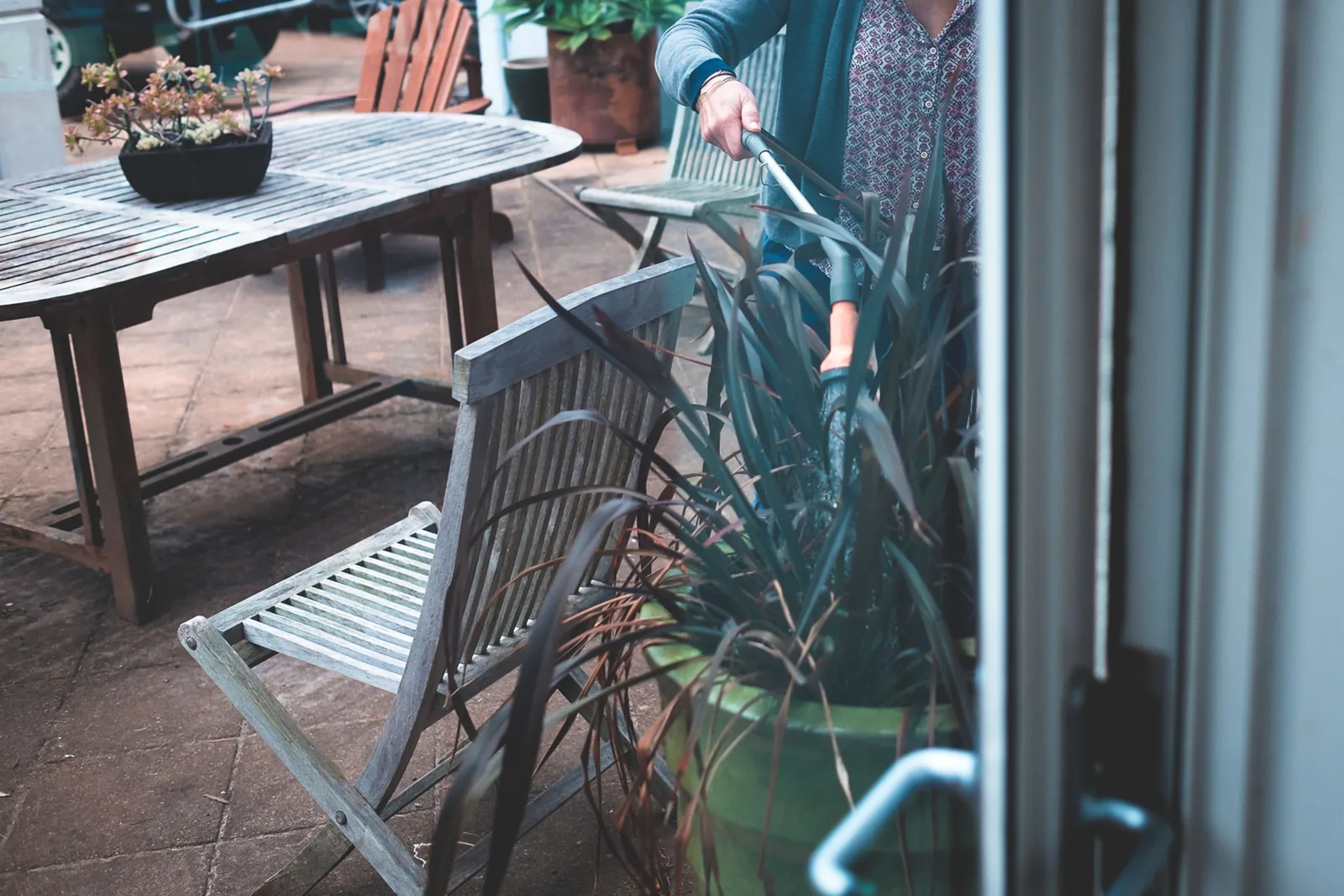
Small containers, porous pots, wind and hot weather can increase watering needs. Larger containers and sheltered positions may dry more slowly. Pots beneath eaves can miss rain even when the rest of the garden is wet.
Make checking the pots part of a daily routine during hot or fast-growing periods. The check can be daily without every pot needing water every day. A container that dries too quickly may need a larger pot, a more suitable position or a different watering arrangement.
Start with a few pots you can manage
For a sunny space in the right season, you could begin with a broad container of lettuce, one pepper in at least 5 gallons and a compact tomato in a roomier pot with support. You don’t have to include all three: choose the crops that suit your actual conditions.
With less direct sun, give more of the space to leafy vegetables. Where weight is limiting, choose smaller crops instead of squeezing a large plant into an undersized pot. Add more containers once you know how quickly the first ones dry and how easily you can reach them to water and harvest.
Sources & further reading+
Authoritative references used in this guide:
- University of Maryland Extension — Types of Vegetable Containers
- University of Maryland Extension — Growing Vegetables in Containers
- University of Maryland Extension — Maintaining Container Vegetables
- University of Illinois Extension — Growing Vegetables in Containers
- University of Illinois Extension — Container Size
- Oregon State University Extension — Container Gardening Basics
- University of Maryland Extension — When to Plant Vegetables