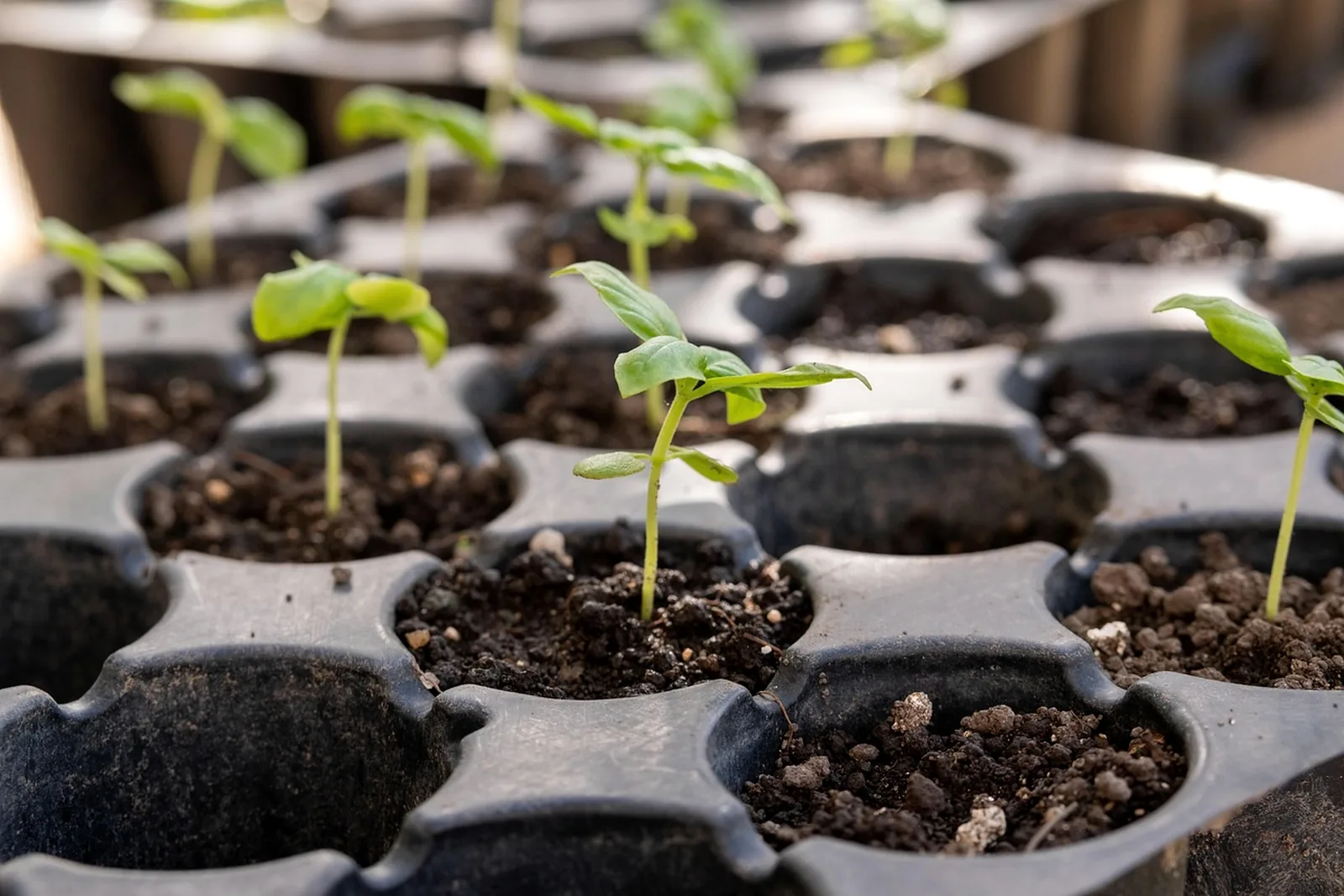
Choose a starting method for each vegetable
Starting indoors gives you control over the early growing conditions and access to varieties that local nurseries may not sell. It also means finding space, supplying enough light, checking moisture and preparing the seedlings for their move outdoors.
Direct sowing puts the seed into its final growing place. It avoids transplanting and is convenient when you want a whole row of peas, beans or roots. You’ll still need to keep the seedbed moist and protect emerging plants from damage.
Buying seedlings is a useful third option. If you only need one pepper or a couple of tomatoes, healthy nursery plants may suit you better than trays, lights and weeks of indoor care.
Vegetables to start indoors or sow directly
Start indoors, direct sow or keep both routes open
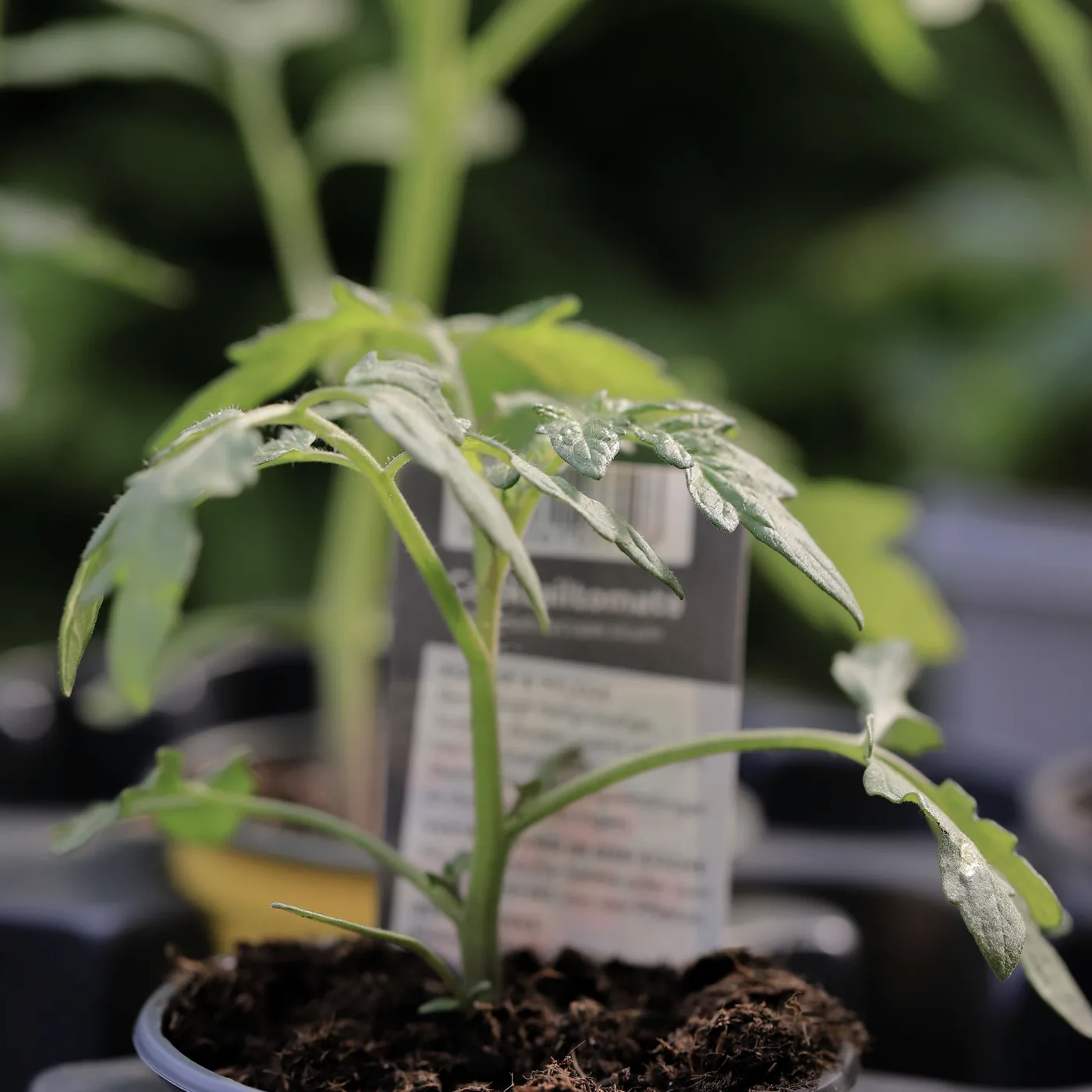

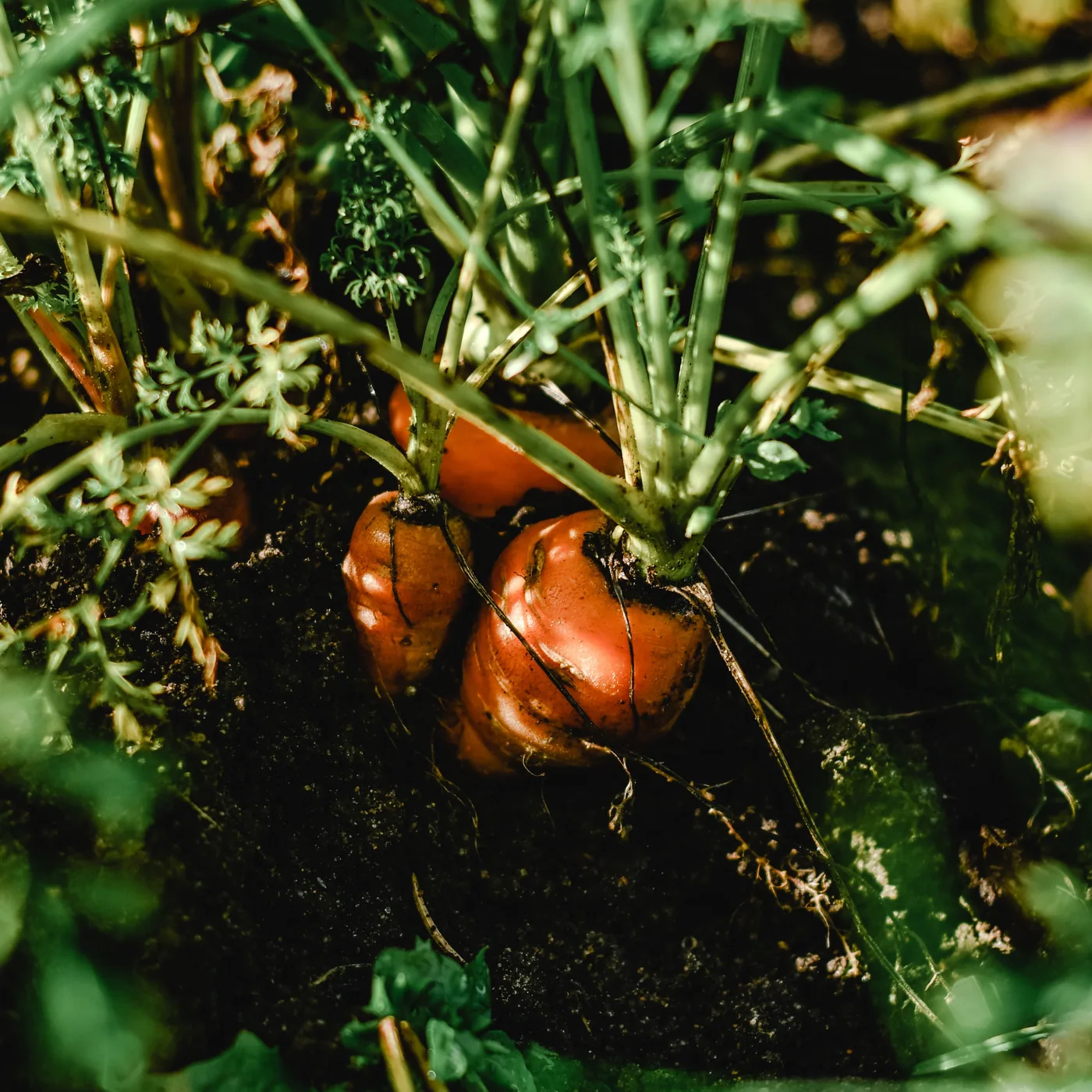
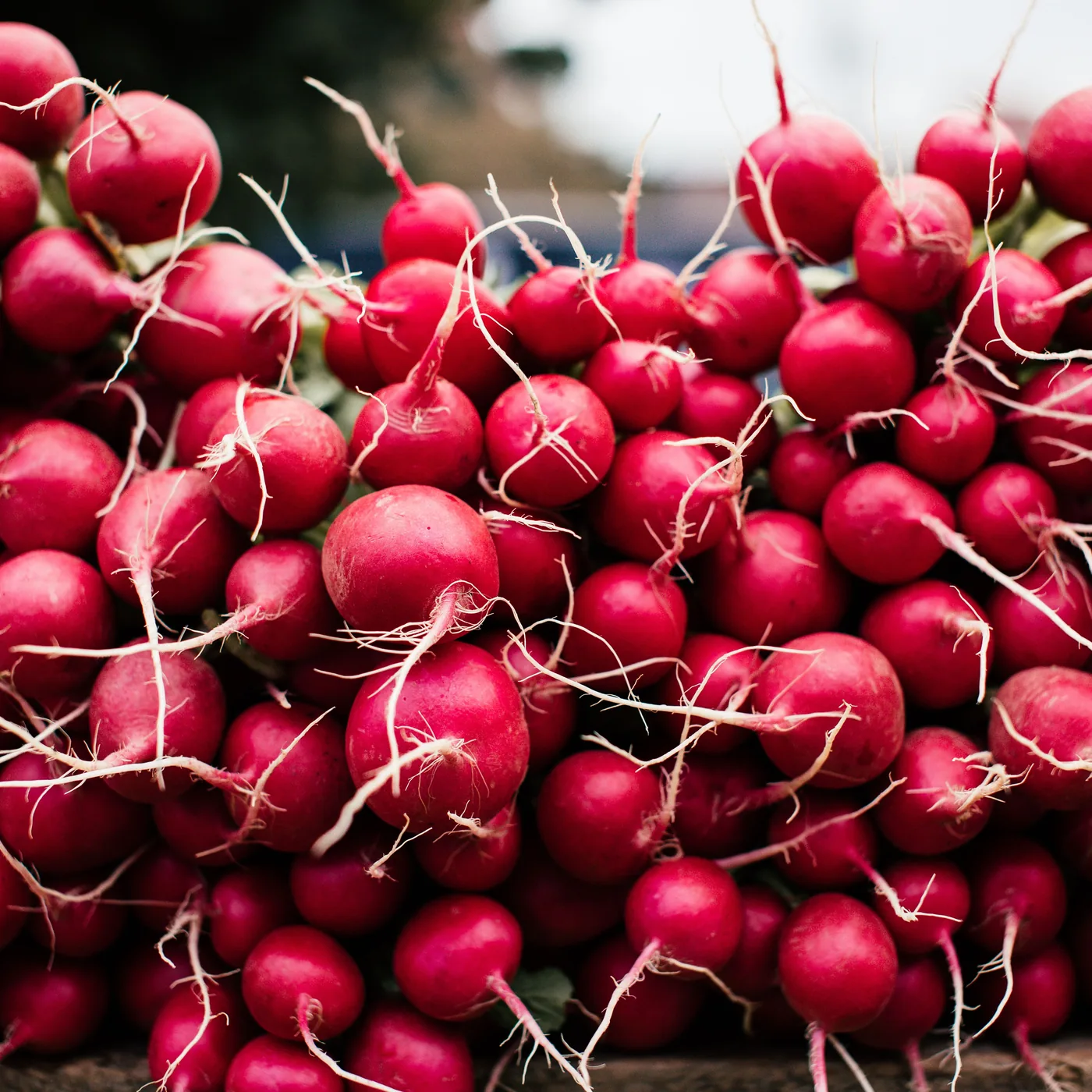
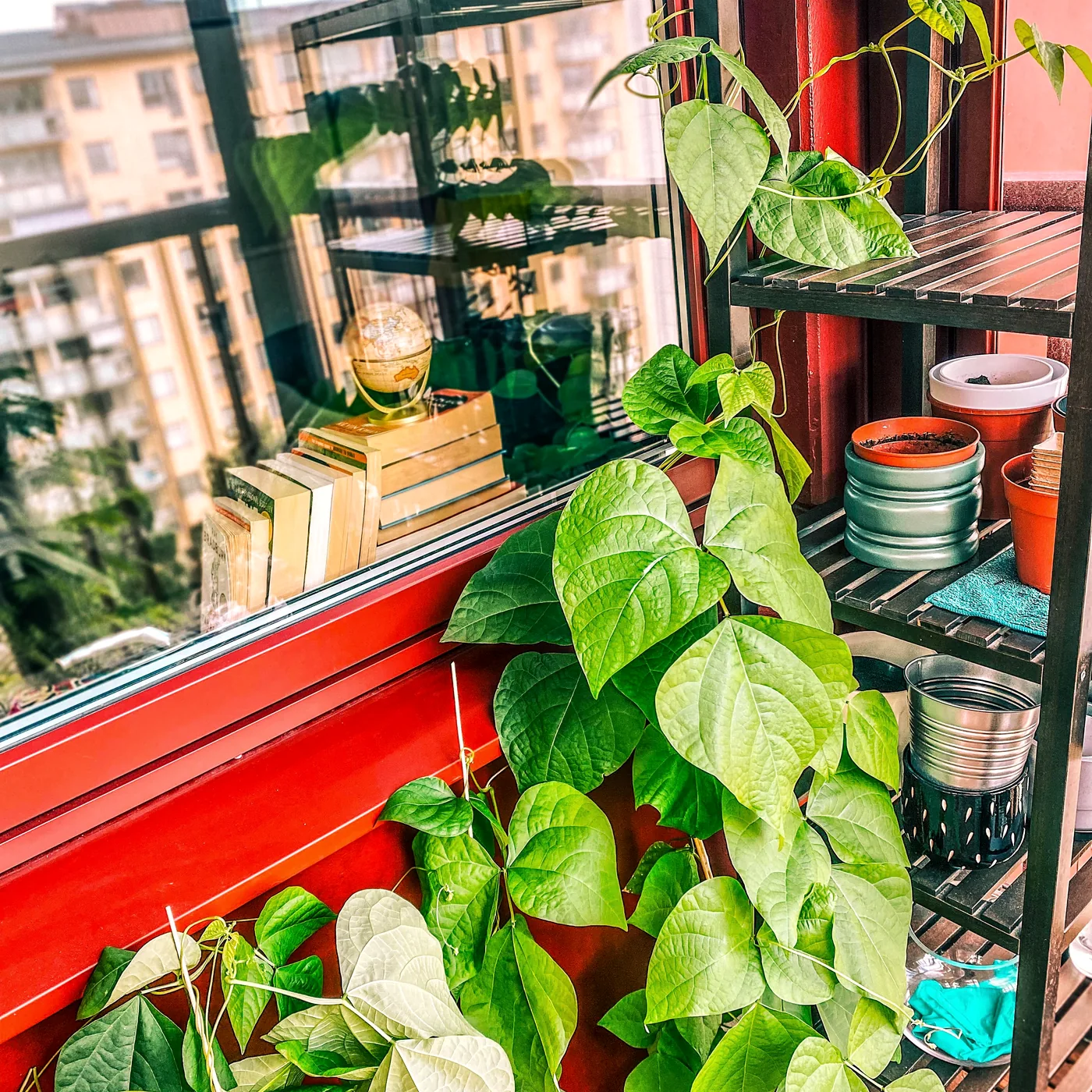
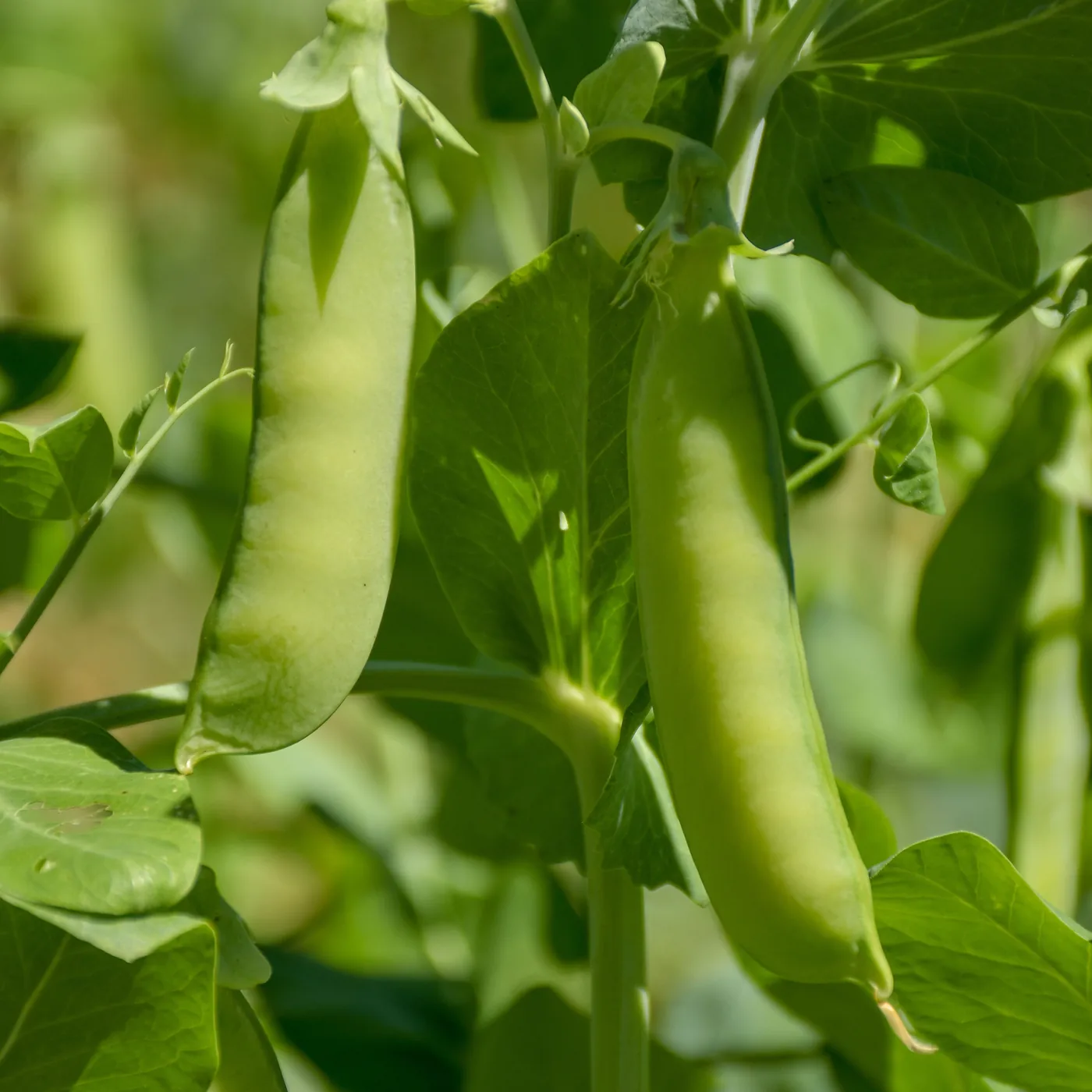
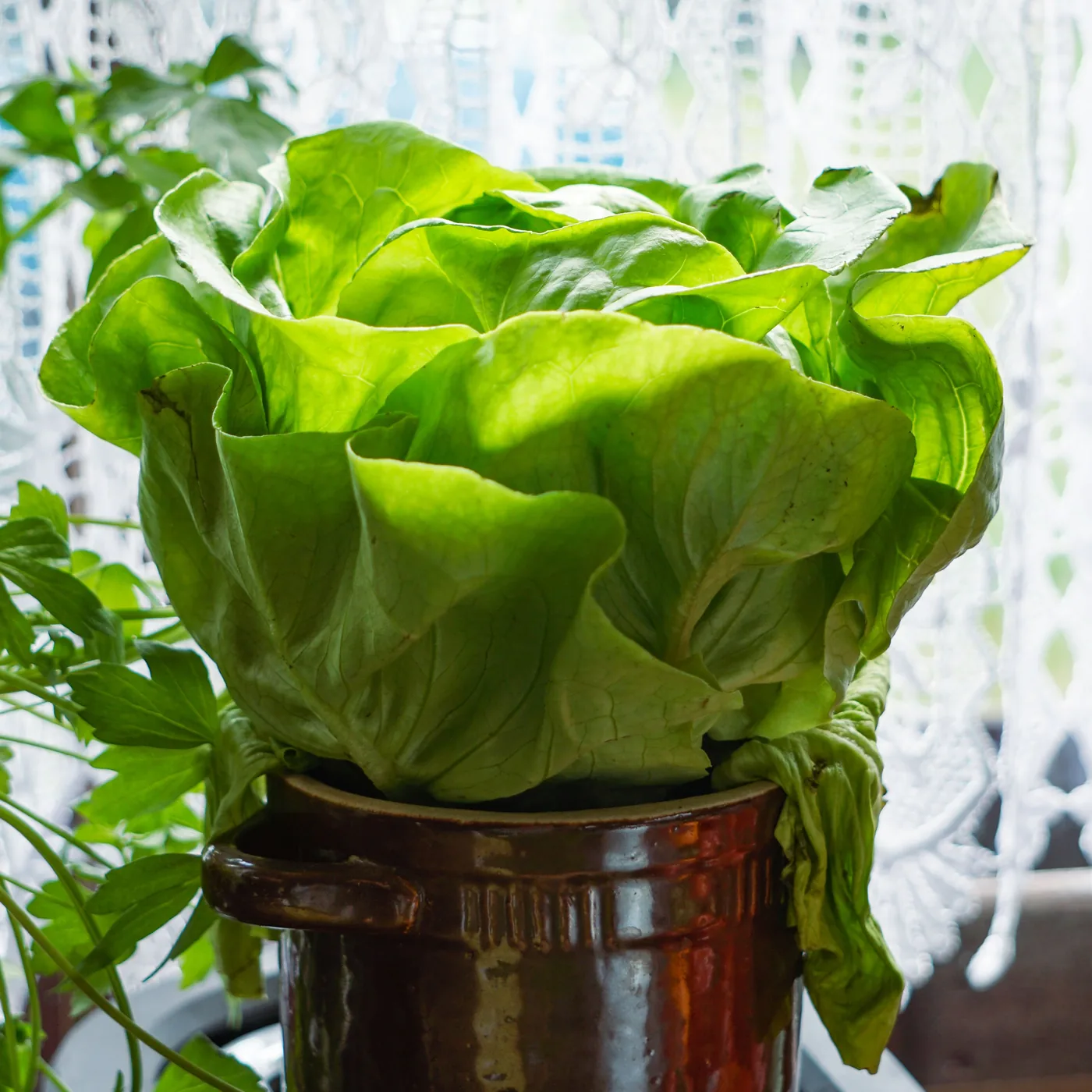
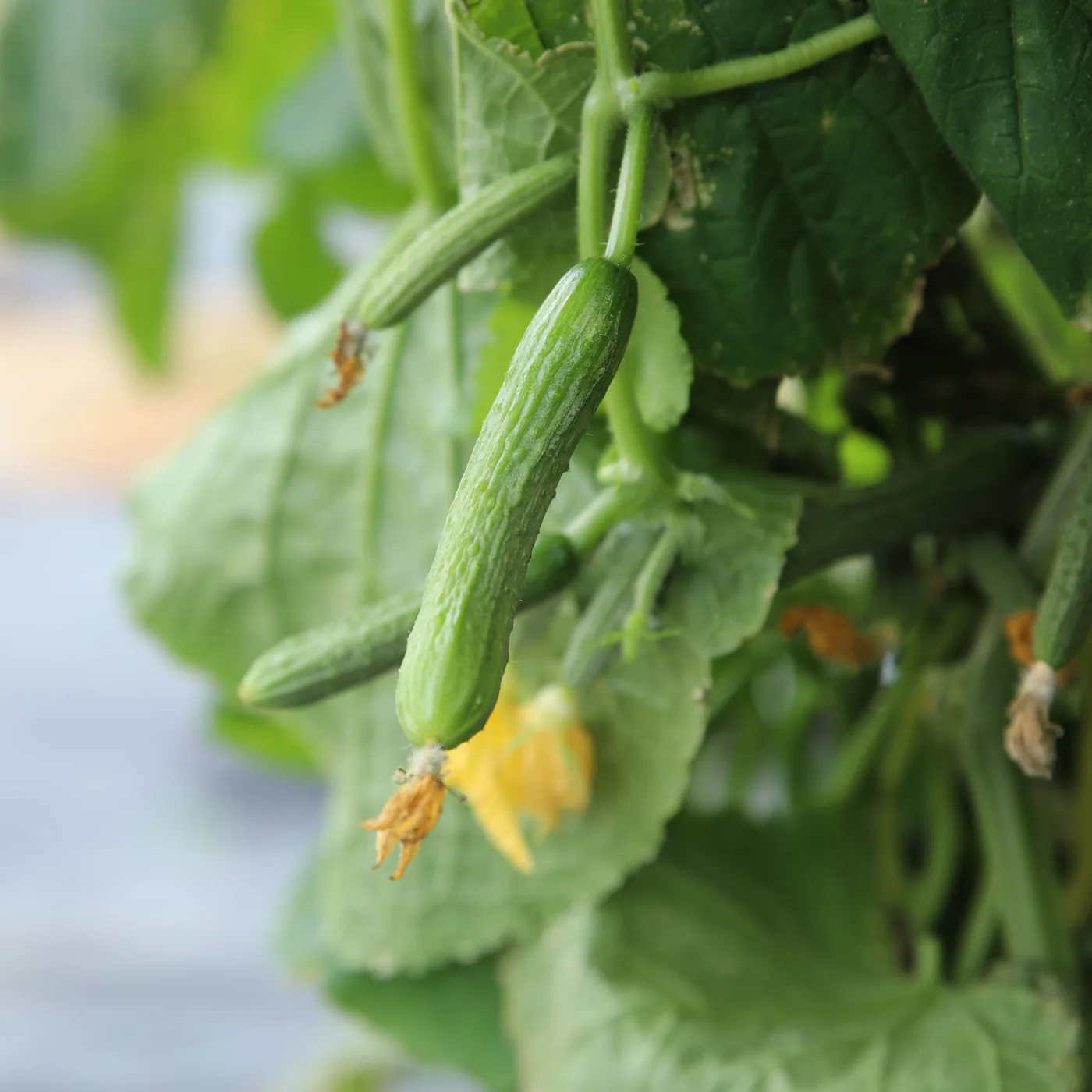
These are method defaults, not planting dates. Check the exact packet and a nearby Extension calendar before you sow.
| Starting method | Vegetables | Why it often works well |
|---|---|---|
| Usually start indoors or buy seedlings | Tomatoes, peppers, eggplants, tomatillos | A protected head start helps them use the outdoor growing season |
| Usually sow directly | Carrots, parsnips, radishes, turnips, peas, beans, sweet corn | Roots can develop in place, and rows are easy to sow without handling individual transplants |
| Either method can work | Lettuce, broccoli, cabbage, cauliflower, beets, cucumbers, squash, melons, basil | Season length, root sensitivity, variety and how many plants you need influence the choice |
Read the packet for your particular variety. A tray of heading lettuce and a row of leaf lettuce for repeated picking may call for different spacing and handling even though both are lettuce. Peas and beans also belong to different seasonal planting windows.
Calculate when to start seeds indoors
Find the outdoor transplanting window for your crop and location first. Then count backward by the indoor growing period recommended on the packet or in local gardening guidance.
Outdoor transplanting window minus the recommended weeks indoors gives your indoor sowing window. Check whether the instructions include time for gradually preparing plants for outdoor conditions.
Our planting-time guide explains how to combine a local calendar with soil and forecast checks. Your hardiness zone alone won’t supply the date.
Starting earlier isn’t always an advantage. If outdoor conditions remain unsuitable, seedlings can become crowded and outgrow their containers. Allow space for plants to get larger during their indoor stay, not just for the small tray you sow today.
Also check the starting point for the packet’s days to maturity. Some crops count from sowing and others from transplanting. Use that detail when deciding whether a late start leaves enough season for a harvest.
Sow root vegetables and rows directly outdoors
Carrots, parsnips, radishes and turnips are good candidates for direct sowing. Keeping them in place avoids disturbing the root you’re growing to harvest. Prepare a workable seedbed, sow at the packet depth and keep the germinating seeds evenly moist.
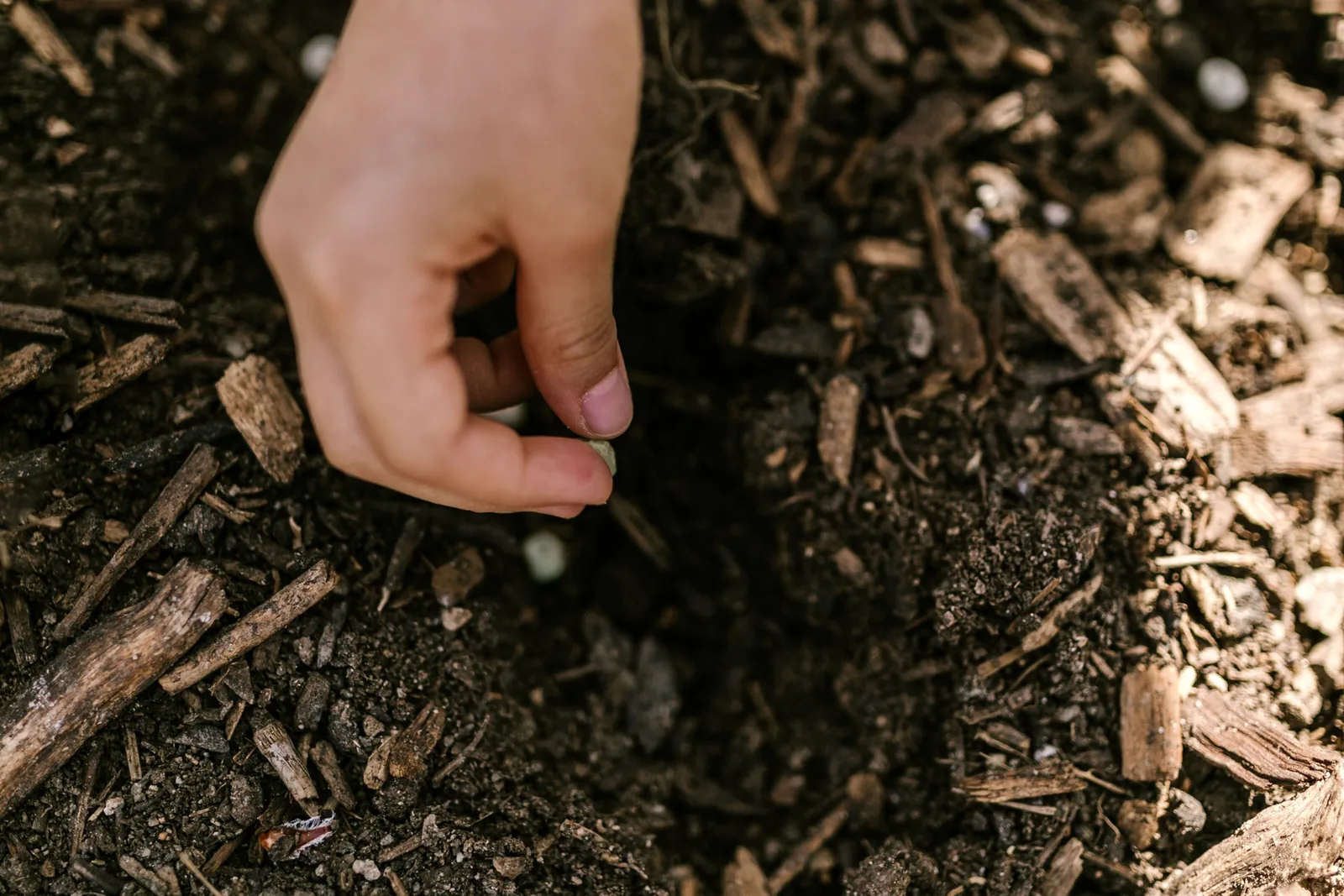
Thin seedlings to the recommended spacing. A crowded row may look promising at first, but plants need room to develop. Peas, beans and sweet corn are also convenient to sow directly when the soil and season suit them.
Give cucumbers and squash a careful start
Cucumbers, squash and melons can be direct sown or given a short indoor start where that helps the season. If using transplants, move them while young and handle the root ball gently. An oversized plant with tangled roots is harder to settle into a new position.
Use either method for flexible crops
Lettuce and brassicas such as broccoli and cabbage can suit indoor starting when you want individual plants ready for a particular planting window. Direct sowing may be convenient when outdoor conditions already suit germination. Beets can also be grown either way; consider how many plants you need and whether transplanting adds useful flexibility.
Give indoor seedlings enough light and space
Use containers with drainage and a fresh seed-starting mix. Keep the mix moist without leaving it waterlogged. Check the surface and the weight of the container rather than adding water automatically every day.

Seedlings need strong light. Long, pale stems leaning toward a window are a sign to reassess the light supply. If using a grow light, follow the fixture’s guidance for distance and use a timer for a consistent schedule. Different fixtures need different spacing from the leaves.
As plants grow, allow enough room for their foliage and roots. Crowded leaves and roots filling small cells signal that the original setup may no longer be adequate. Plan the next container or outdoor move before the tray becomes difficult to manage.
Before planting outside, expose seedlings gradually to outdoor light and wind. Protect them from damaging cold during this hardening-off period. A plant accustomed to outdoors is better prepared for the move, but a tender vegetable can still be injured by frost.
Choose healthy seedlings when buying
Look for a clearly labeled variety and healthy, reasonably compact growth. Check for damaged leaves, pests and a root ball that isn’t a tightly circling mass. Tall plants or plants already carrying flowers aren’t automatically a better buy.
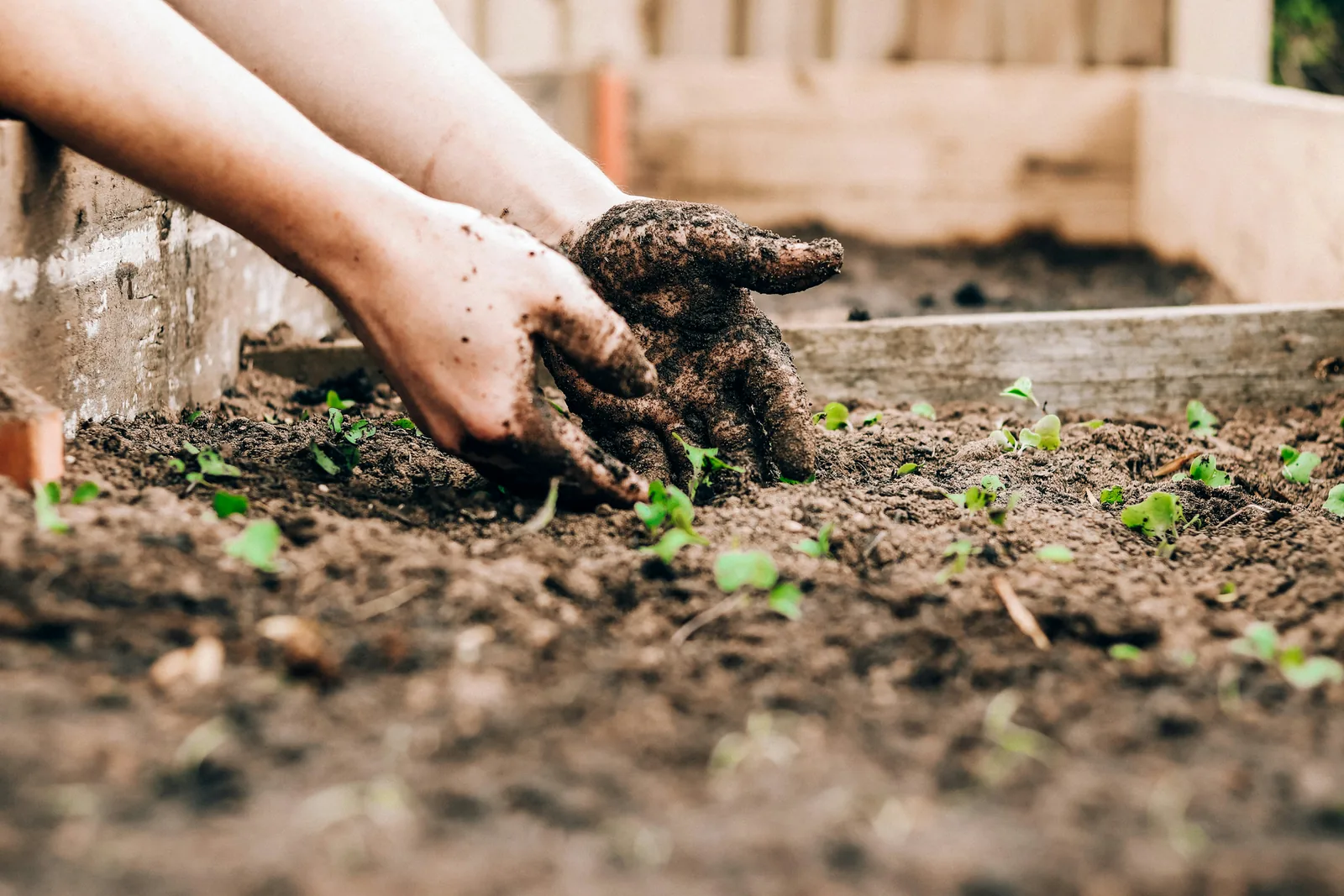
Ask whether they have been hardened off. Nursery plants may go on sale before your garden is ready for them, so compare the crop with the local planting window and forecast before taking it straight from the car to the bed.
Choose the number of plants your space can support at maturity. A small pack can become a large planting once tomatoes or squash fill out. Buying fewer suitable plants is easier to manage than finding homes for a trayful you don’t need.
Plan a small first planting
A manageable mixed start could be a purchased tomato and pepper, a direct-sown row of carrots or radishes in suitable cool conditions, and beans sown later when the soil warms. Add small sowings of lettuce if your season suits it.
For each crop, write its outdoor planting window on a short list. Add an indoor sowing window only for the crops you’re raising inside. That gives you a shopping and care plan based on the garden you intend to grow.
If indoor space or light is limited, buy the few transplants you need and enjoy the vegetables that can be sown directly. If choosing unusual varieties is part of the pleasure, give those indoor seedlings the equipment and attention they need to reach planting day in good condition.
Sources & further reading+
Authoritative references used in this guide:
- Utah State University Extension — Starting Vegetable Seeds Indoors: Planning
- Utah State University Extension — Seedling Culture and Transplanting
- University of Maryland Extension — When to Plant Vegetables
- Colorado State University Extension — Vegetable Planting Guide
- University of Minnesota Extension — Starting Seeds Indoors
- University of Minnesota Extension — Planting the Vegetable Garden
- Oregon State University Extension — An Educator’s Guide to Vegetable Gardening
- Colorado State University Extension, Pueblo County — Seeds vs. Starts